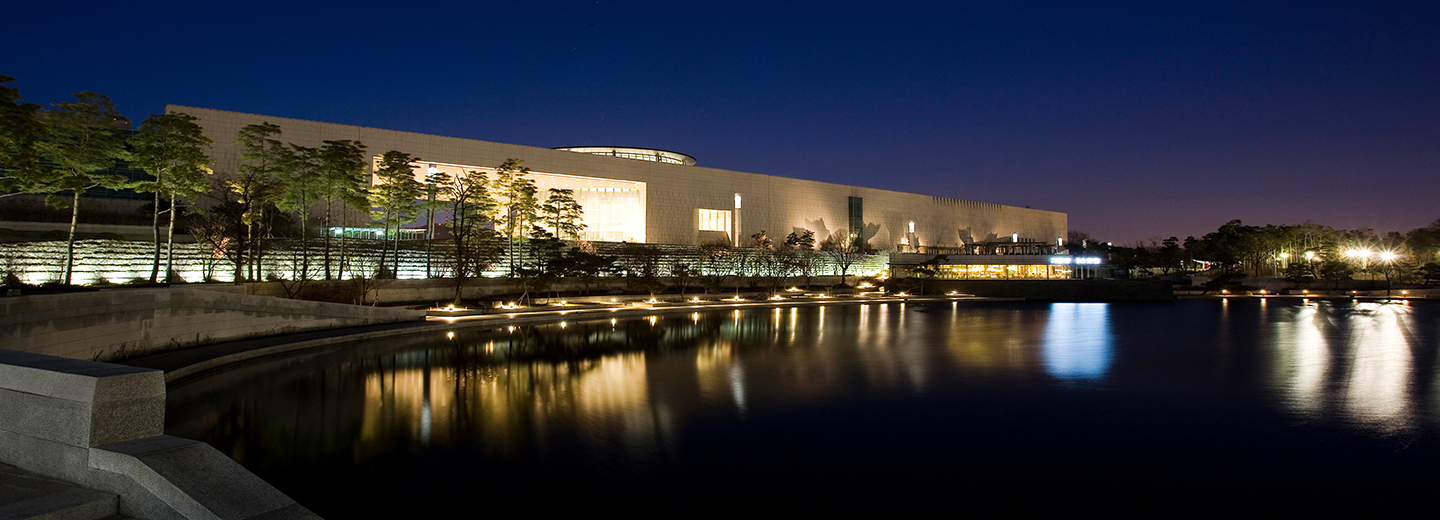
<사진출처:National Museum of Korea homepage>
Located in the heart of Seoul, the National Museum of Korea stands as a monumental repository of the nation's profound and intricate history. This vast cultural institution is not merely a building but a sweeping narrative that captures everything from Paleolithic hand axes to the magnificent golden crowns of the Three Kingdoms, elegant Goryeo celadon, and insightful Joseon paintings. It is a place where we can truly immerse ourselves in the artistic and historical evolution of Korea. This museum provides a serene, air-conditioned, and incredibly spacious environment that invites us to explore at our own pace without feeling overwhelmed. Whether we are deeply passionate history enthusiasts or simply looking for an enriching cultural experience, the National Museum of Korea is an absolute must-visit destination that promises to leave a lasting impression. Let us delve into the highlights, essential tips, and practical information to make the most of our visit.
Unmissable Highlights of the Museum The museum is divided into three expansive floors, each dedicated to different eras and themes of Korean history.
The Room of Quiet Contemplation: This space is undoubtedly the pinnacle of the museum's collection. It houses the breathtaking Maitreya Bodhisattva in Contemplation, a masterpiece of Three Kingdoms art. The figure, seated in a half-lotus position and deep in thought, represents the Buddha of the future reaching toward enlightenment. The lighting and atmosphere of the room are meticulously designed to evoke a sense of profound peace and reflection.
Ten-Story Pagoda of Gyeongcheonsa Temple: As we walk down the main marbled hallway on the first floor, we are greeted by this towering structure. Originally from Gaepung in Gyeonggi-do, this stunning pagoda is a magnificent blend of traditional Goryeo architectural styles and intricate carvings.
Immersive Digital Galleries: For a more modern and dynamic experience, we must visit the Immersive Digital Galleries. The largest one, Digital Gallery 1, features captivating visual displays that change throughout the week, offering a mesmerizing fusion of historical art and cutting-edge technology.
Silla Gold Crown: Located in the Ancient History section, this dazzling artifact is a testament to the opulence and exceptional craftsmanship of the Silla Kingdom. It is a replica of the crown that gained worldwide fame when it was gifted to Donald Trump during the 2025 APEC summit in Gyeongju.
Practical Tips and Important Rules for Our Visit To ensure a smooth and respectful experience, there are several practical guidelines and rules we should keep in mind before heading to the museum.
Admission and Time Management: The fantastic news is that entry to the permanent exhibition halls is completely free for everyone. However, we must be aware that special temporary exhibitions do require a separate paid ticket. The museum is massive, so we should not try to see everything in one go. We should budget at least 2-3 hours for the highlights, or half a day for a more thorough exploration.
Photography Rules: While we are welcome to take photos in most permanent galleries, the use of flash is strictly prohibited to protect the artifacts. Furthermore, photography is generally restricted in certain special exhibits and specifically inside the Room of Quiet Contemplation.
Food, Drinks, and Smoking: To maintain the pristine condition of the museum, bringing food and drinks into the exhibition halls is not allowed. The entire museum premises, both indoors and outdoors, are designated as strict non-smoking zones. If we get hungry, there is an on-site restaurant and cafe available, or we can enjoy a lovely outdoor picnic in the adjacent Yongsan Family Park.
Accessibility and Facilities: The museum is exceptionally accessible, featuring elevators, wide pathways, and wheelchair rentals available at the information desk. We can also utilize the free lockers and cloakroom near the main entrance to store our heavy bags and coats, allowing us to roam the galleries comfortably.
Getting There and Exploring the Surroundings The museum is incredibly easy to reach using Seoul's highly efficient public transportation system.
National Museum of Korea Google Maps Link: We simply need to take Subway Line 4 or the Gyeongui-Jungang Line to Ichon Station. From Exit 2, there is a very convenient underground passage that connects directly into the museum building, making it accessible even on rainy days.
Yongsan Family Park Google Maps Link: Before or after our museum tour, we should definitely take some time to explore the beautiful outdoor grounds. The reflecting pond in front of the museum perfectly aligns the central pathway with the N Seoul Tower in the distance, providing one of the most stunning and highly photographed skyline views in all of Seoul.
Visiting the National Museum of Korea is not just a walk through a building; it is an immersive journey through thousands of years of human creativity, resilience, and spiritual depth. By taking our time, respecting the rules, and absorbing the profound beauty of the artifacts, we are guaranteed a truly unforgettable and deeply enriching cultural experience in the heart of Seoul.
#NationalMuseumOfKorea #SeoulTravel #ExploreSeoul #KoreanHistory #SeoulMuseum #TravelKorea #SeoulGuide #KoreaTrip #MuseumLovers #SeoulMustSee #KoreanCulture #SillaCrown #GoryeoCeladon #SeoulAttractions #DiscoverKorea #SeoulVibes #TravelTipsKorea #HistoricSeoul #YongsanPark #FreeInSeoul