
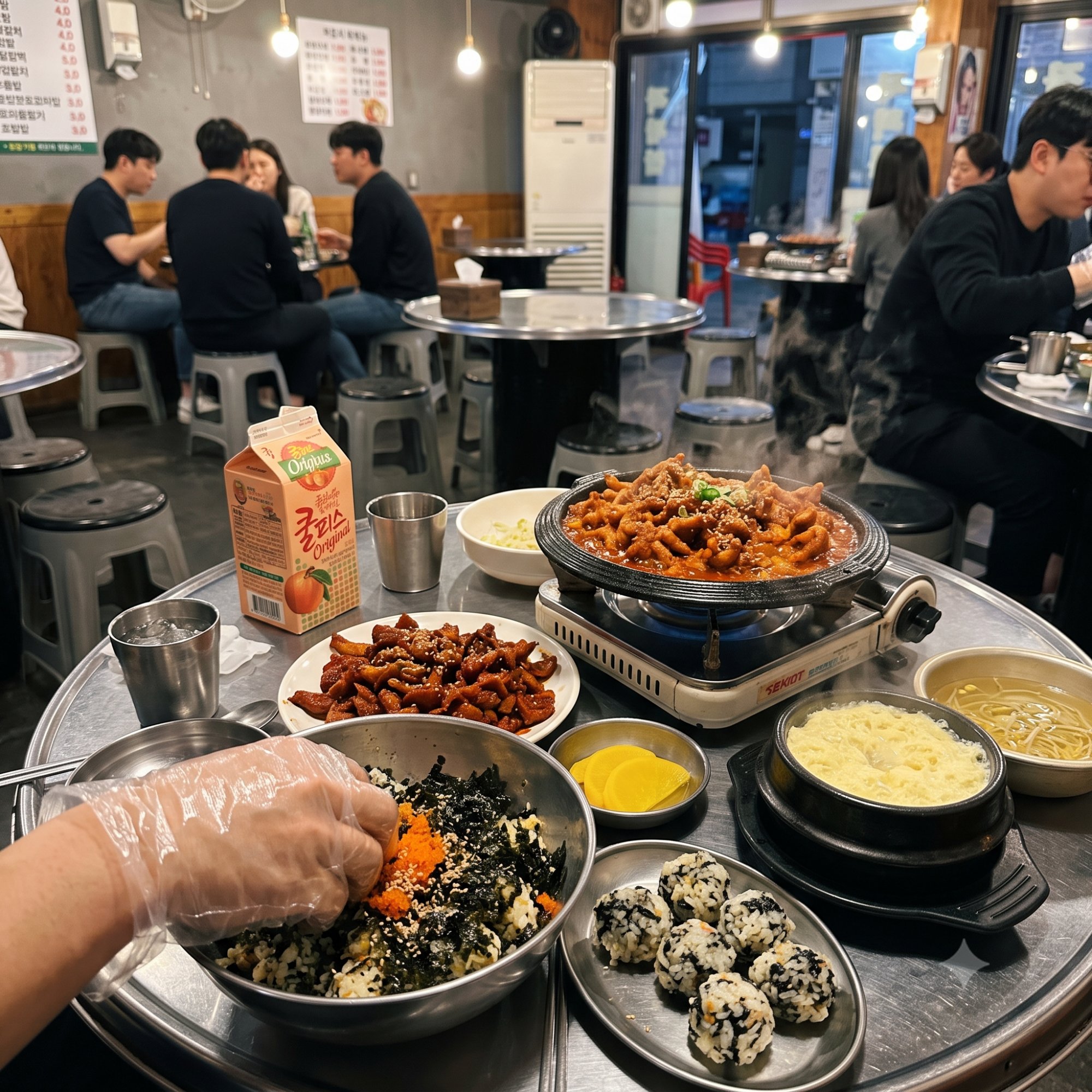
Hey friends! Welcome back to our ongoing local culinary adventure! If you truly want to eat like we do, especially late at night when the city lights up, there is one iconic dish you simply cannot miss. Today, we are diving into a beloved, albeit slightly intimidating, staple of our food culture: Dakbal, which translates to spicy chicken feet. While it might sound like an adventurous leap for some, we promise that once you get past the initial hesitation, you will discover a fiery, savory, and perfectly textured dish that we constantly crave. Let us guide you through this intensely spicy feast, complete with the essential side dishes, and share our absolute best tips on how to enjoy it like a true local.
Understanding Dakbal and Its Heat
When we say Dakbal is spicy, we mean it is unapologetically, sweat-inducingly hot! The intense fiery red sauce is heavily based on gochugaru (Korean chili flakes) and gochujang (red chili paste). When you take your first bite, your lips will tingle, and you will likely break a sweat, but the rich, savory flavor keeps you coming back for more.
We typically enjoy Dakbal in two main styles. First is the charcoal-grilled version, which has a deep, smoky flavor and a wonderfully chewy texture. The second is "Gukmul Dakbal," a soupy version served in a bubbling pot where the chicken feet absorb the rich, spicy broth until they are fall-off-the-bone tender. You can also choose between bone-in (which requires you to skillfully nibble the meat and skin off the tiny bones) and boneless, which is much easier for beginners to handle.
The Must-Have Duo: Odolppyeo and Jumeokbap
You simply cannot eat Dakbal alone; the heat is too intense! To create the ultimate late-night feast, we always pair our spicy chicken feet with two crucial sidekicks: Odolppyeo and Jumeokbap.
Odolppyeo (Spicy Cartilage): This translates to "crunchy bone." It is finely chopped pork cartilage stir-fried in a deeply savory and spicy sauce with onions and green peppers. The texture is what makes it so beloved—every bite offers a fantastic, addictive crunch that contrasts beautifully with the chewy chicken feet.
Jumeokbap (Rice Balls): This translates to "fist rice," and making it at the table is half the fun! When you order this, the server brings a large bowl filled with warm white rice. On top of the rice, you will find a generous mountain of crushed roasted seaweed (gim), a heavy drizzle of nutty sesame oil, creamy mayonnaise, finely chopped yellow pickled radish (danmuji) for crunch, and brightly colored flying fish roe (tobiko) that pops in your mouth.
How to Make Your Own Jumeokbap: Here is our local tip on how to eat it: your server will provide a disposable plastic glove. We put on the glove, dig our hand right into the bowl, and vigorously mix all the ingredients together until the rice is fully coated with the mayo and sesame oil. Then, we grab a small handful and roll the mixture into tight, bite-sized balls. The absolute best way to eat this is to grab a spoonful of the spicy Odolppyeo and knead it directly into the Jumeokbap mixture before rolling! The creamy mayo, warm rice, and sweet radish instantly mellow out the fierce spice of the meat.
The Fire Extinguishers: Gyeran-jjim and Coolpis
To survive the intense heat of this meal, we rely heavily on two soothing items to extinguish the fire.
Gyeran-jjim (Steamed Egg): No spicy Korean meal is complete without this! It arrives at the table in a traditional black earthenware pot, bubbling violently. The egg is whisked with broth and steamed until it rises above the rim like a fluffy, yellow cloud. It is incredibly soft, savory, and delicate. We take a spoonful of this piping hot, silky egg between bites of Dakbal. It beautifully coats your tongue and stomach, providing a warm, savory relief from the chili oils.
Coolpis: If you ever walk into a spicy Tteokbokki (rice cake) shop or a Dakbal restaurant here, you will notice a colorful paper carton on almost every single table. That is Coolpis, our absolute lifesaver! It is a sweet, incredibly refreshing yogurt-like fruit drink that usually comes in peach, plum, or pineapple flavors. When the fiery heat becomes overwhelming, drinking water actually makes the burning sensation worse. Instead, we pour Coolpis over a cup filled with crushed ice. The icy, sweet, and milky fruit flavor instantly neutralizes the spice and completely resets your palate.
Where We Eat Like Locals
To experience this sweat-inducing, glorious feast, we highly recommend visiting these two legendary spots where we always go for our late-night cravings:
Hanshin Pocha: This is a famous, energetic indoor tent-bar chain. We always come here for their iconic, melt-in-your-mouth soupy Gukmul Dakbal. Find it on Google Maps: https://www.google.com/maps/search/Hanshin+Pocha+Seoul.
Homi Buldakbal: If you want to experience the ultimate charcoal-grilled spicy chicken feet and the best Odolppyeo set, this is our top pick. Check it out on Google Maps: https://www.google.com/maps/search/Homi+Buldakbal+Seoul.
Exploring these dishes gives you a profound appreciation for our vibrant food culture. Please share this with friends who are planning a trip.
#Dakbal #KoreanFood #SpicyFood #SeoulEats #LocalFood #KoreanCulture #Jumeokbap #Odolppyeo #Coolpis #LateNightEats #Gyeranjjim #Foodie #FoodTravel #SeoulTrip #EatLikeALocal #KFood #SpicyChickenFeet #AsianCuisine #TravelKorea #Delicious