← 좌우로 밀어 보세요
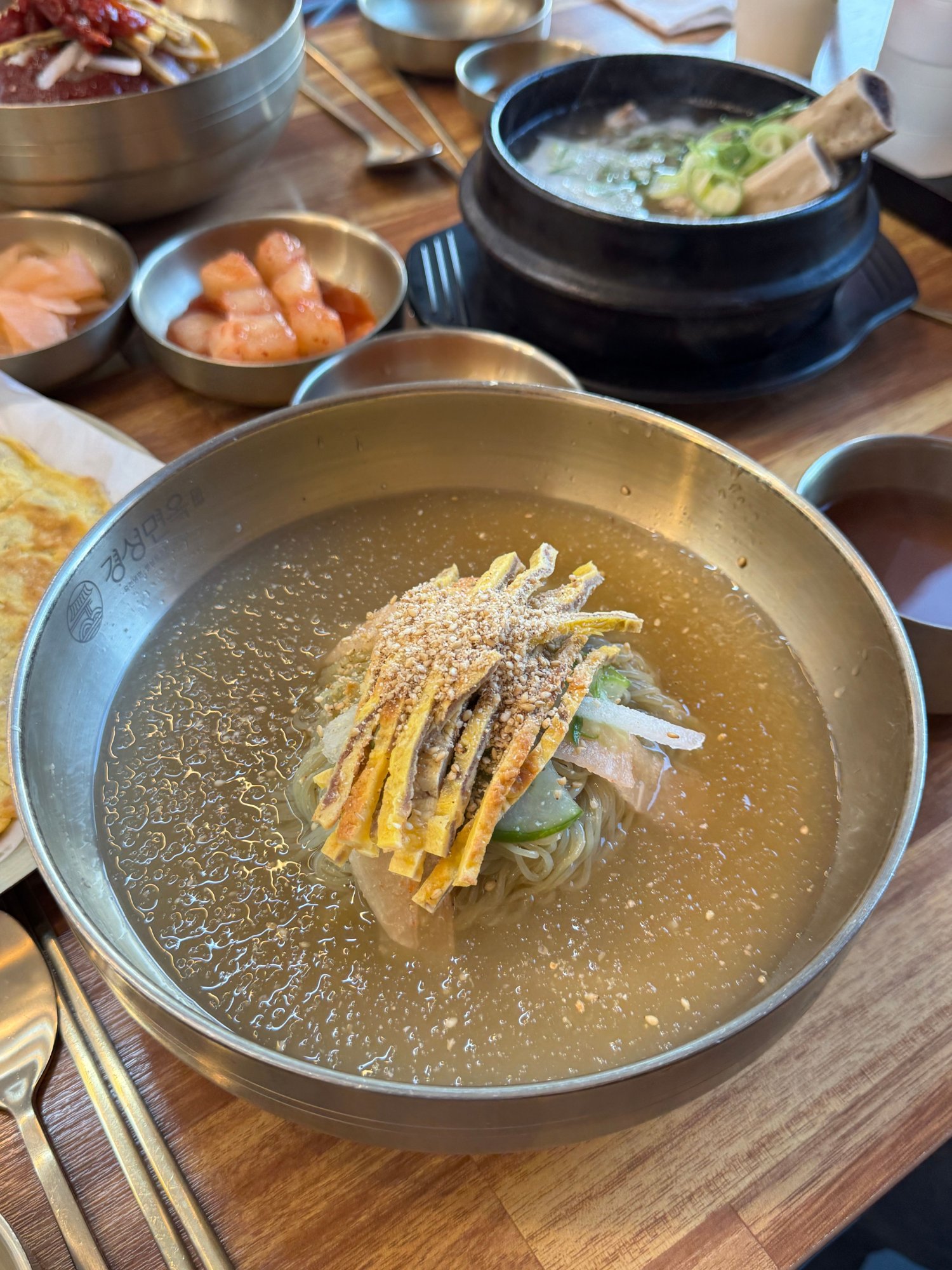
Welcome to another exciting culinary adventure! When exploring the local food scene here, you will quickly discover that our noodles are not always served steaming hot. Today, I want to introduce you to a truly iconic dish that surprises many visitors: Naengmyeon, or Korean cold noodles. This is not just a simple bowl of noodles; it is a cultural staple with deep roots and a surprisingly diverse variety. Let us explore how to properly enjoy this icy, refreshing delicacy like a true local.
The Diverse World of Cold Noodles
In Korea, Naengmyeon is not just one single dish. There are several distinct styles you will encounter during your travels, each offering a completely different experience:
Pyeongyang Naengmyeon: This is the historic, purist favorite. It features earthy buckwheat noodles submerged in an icy, deeply savory, and exceptionally mild beef broth. It is famous for its subtle, addictive flavor.
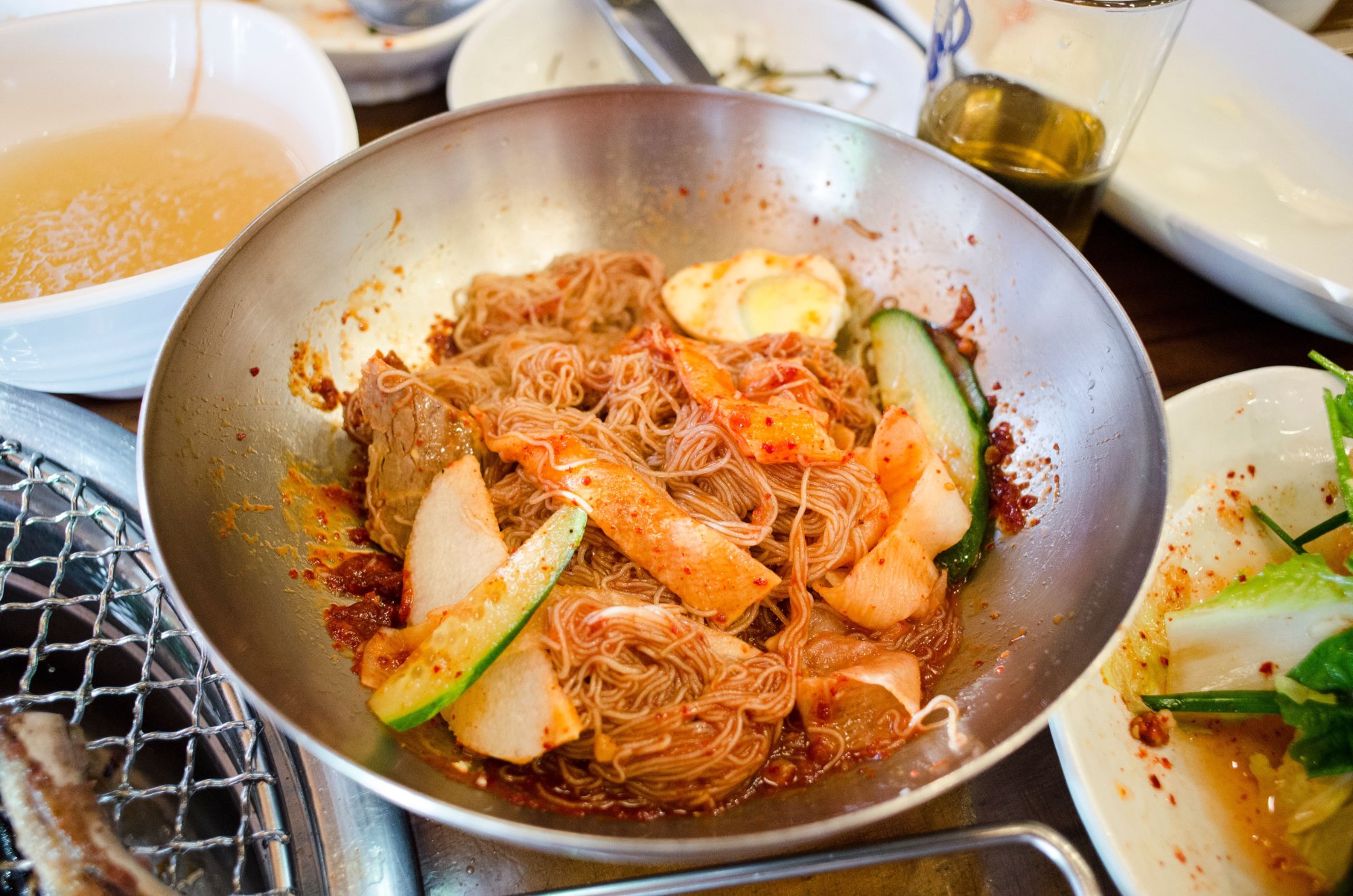
Hamheung Naengmyeon: If you love spicy food, this is for you. It uses incredibly chewy sweet potato starch noodles, typically served without broth (Bibim style) and tossed in a vibrant, spicy red chili sauce.
Chik (Arrowroot) Naengmyeon: A hugely popular everyday favorite! These noodles are made with arrowroot starch, giving them a dark color and a super chewy texture. They are usually served in a slushy, icy beef broth topped with a scoop of spicy red chili paste, offering the perfect balance of cold, savory, and spicy.
Husik Naengmyeon (The BBQ Dessert)
Aside from specialized noodle restaurants, if you dine at a Korean BBQ joint, you will undoubtedly see "Husik Naengmyeon" on the menu. "Husik" translates to dessert or an after-meal dish. These are slightly smaller, more casual portions of cold noodles specifically meant to be eaten at the end of a heavy, greasy meat meal to refresh your palate.
How to Eat Like a Local: Customizing Your Bowl
When your noodles arrive at the table, the experience is highly interactive. Adjusting the flavor and texture is a mandatory part of the fun.
The Scissor Debate: Because these noodles are notoriously long and chewy (especially Hamheung and Chik styles), your server will offer you scissors. Most people use the scissors to snip the noodles once or twice in a cross shape to make them easier to chew. However, historically, long noodles symbolize longevity, so purists often slurp them whole!
Vinegar and Mustard: Alongside your bowl, you will receive squeeze bottles of vinegar and spicy yellow mustard. If you are eating the icy broth version, taste the pure broth first. Then, squeeze a circle of vinegar directly into the soup for a bright acidity, and add a small squirt of mustard for an earthy, sharp kick. Mix it thoroughly!
The Ultimate BBQ Leftover Hack
Here is a brilliant local secret for when you order Husik Naengmyeon at a BBQ joint. As you are nearing the end of your grilled meat, do not finish it all! Order a bowl of spicy Bibim Naengmyeon. Take a piece of your leftover warm, savory grilled pork or beef and wrap it directly around a large forkful of the cold, spicy noodles. The contrast between the hot, fatty meat and the icy, tangy noodles is an explosive flavor combination!
Where to Taste the Legend
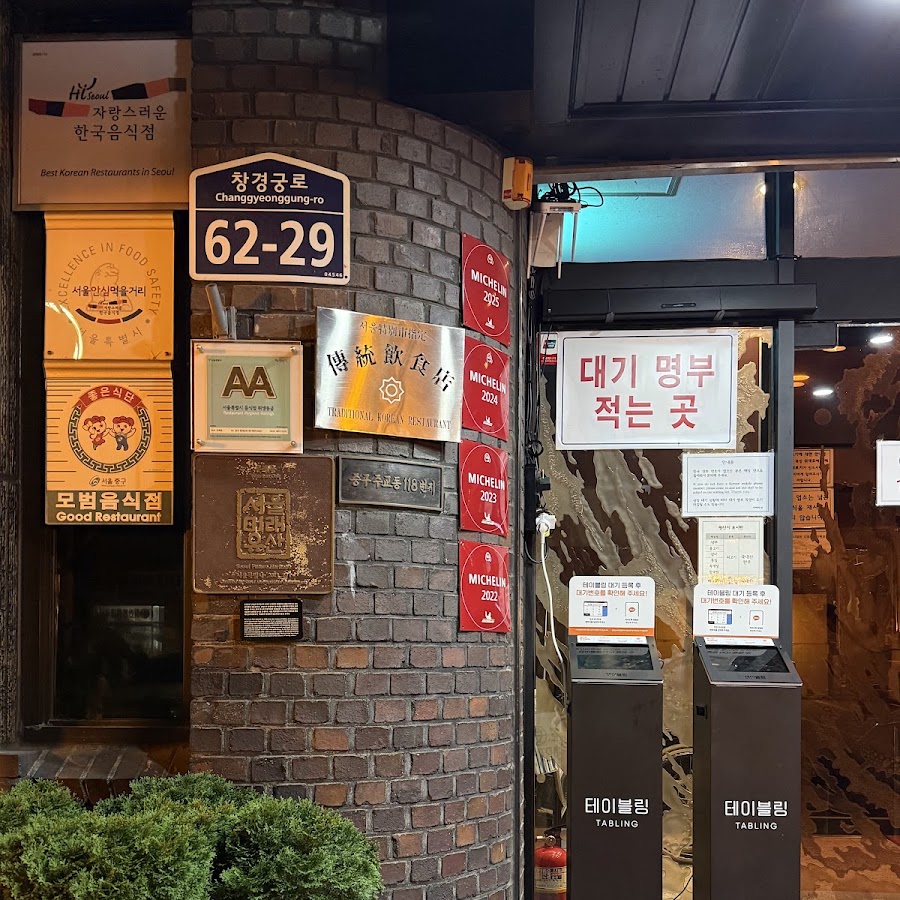
To experience a truly authentic, historic bowl of Pyeongyang-style cold noodles, you must visit Woo Lae Oak in Seoul.
Check out the location on Google Maps here:
Please share this with friends who are planning a trip.
#KoreanFood #Naengmyeon #KoreanNoodles #ColdNoodles #KoreanBBQ #HusikNaengmyeon #BibimNaengmyeon #MulNaengmyeon #PyeongyangNaengmyeon #HamheungNaengmyeon #ChikNaengmyeon #SeoulEats #LocalEats #Foodie #TravelKorea #AuthenticFood #KoreanCulture #SeoulTrip #SeoulFood #DeliciousFood