
Hey friends! Welcome back to our culinary journey through Korea! Today, we are diving into one of the most generous, iconic, and sometimes confusing parts of our food culture: Banchan (side dishes).
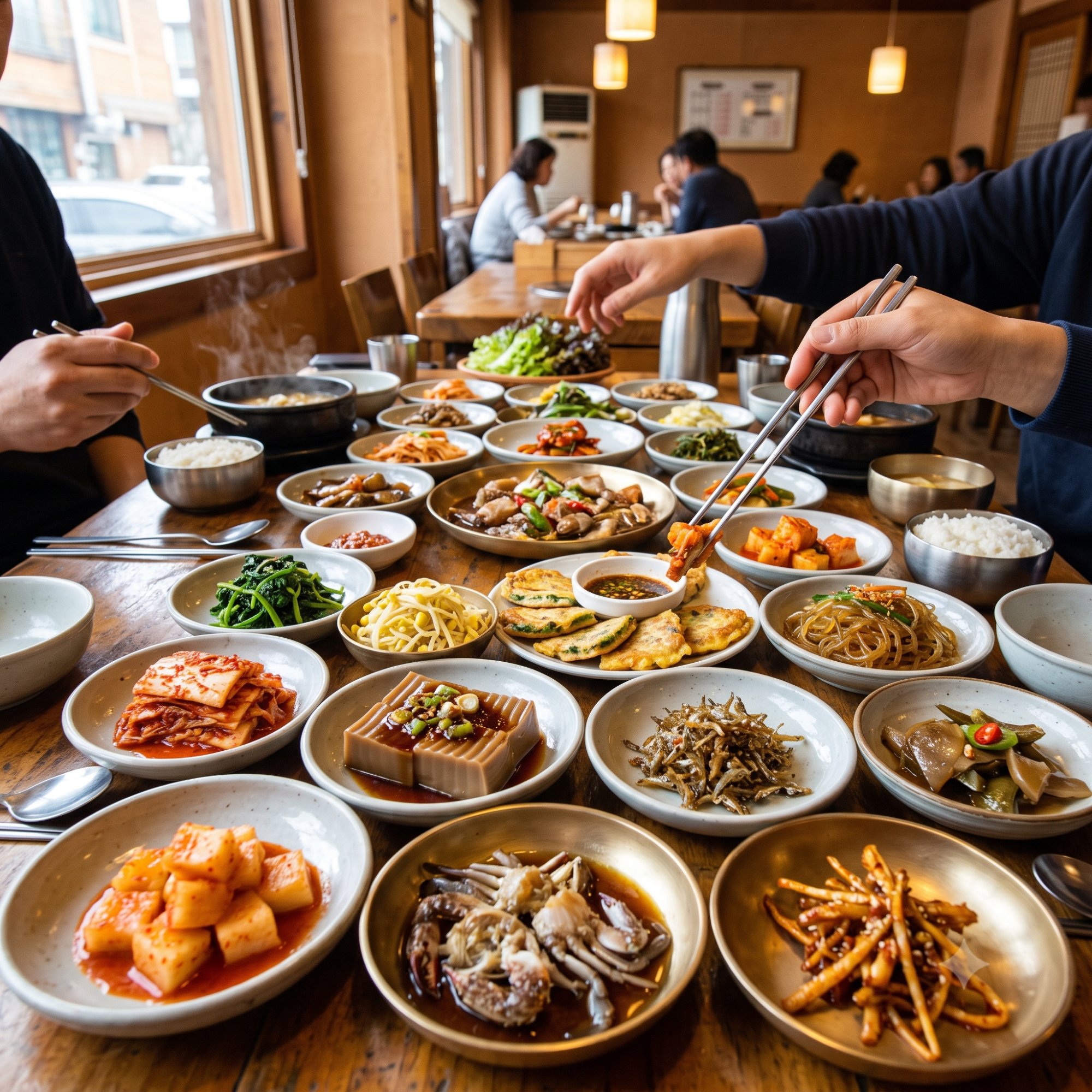
When you sit down at a traditional restaurant here, before the main dish even arrives, your table is suddenly covered with an array of tiny, colorful plates. For us, this is just a normal everyday meal, but we completely understand that looking at these mysterious little dishes can be overwhelmingly confusing for you. What are those tiny little fish with eyes? Wait, is that crab completely raw? And what is that wobbly brown block?
Before we decode these unique dishes, there is one crucial secret you must understand: the banchan we are about to list are just the tip of the iceberg! The sheer number and variety of banchan in Korea are virtually uncountable. Because ingredients and recipes change drastically depending on the specific region, the current season, and even the individual family or chef, there are literally hundreds—if not thousands—of different side dishes out there!
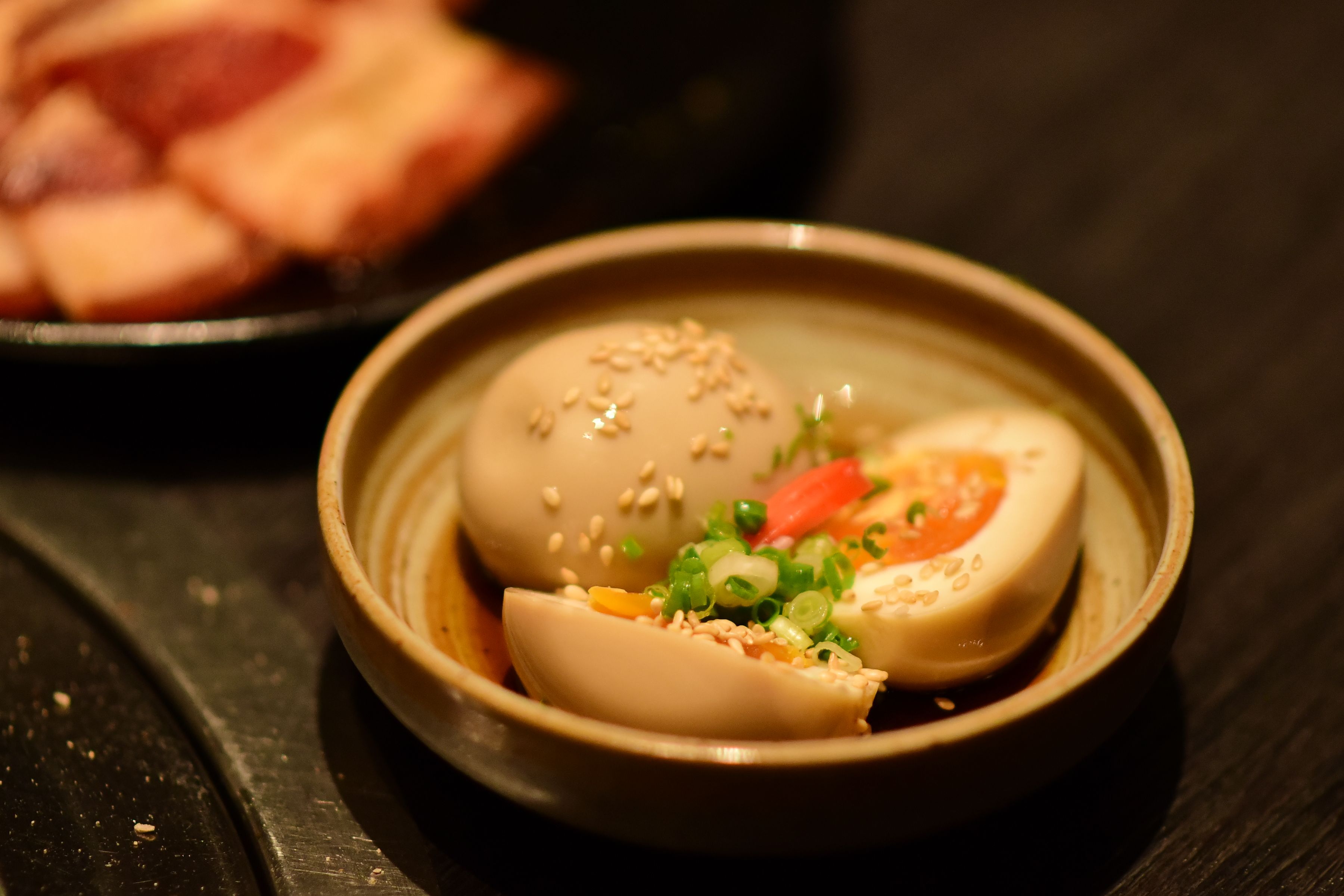
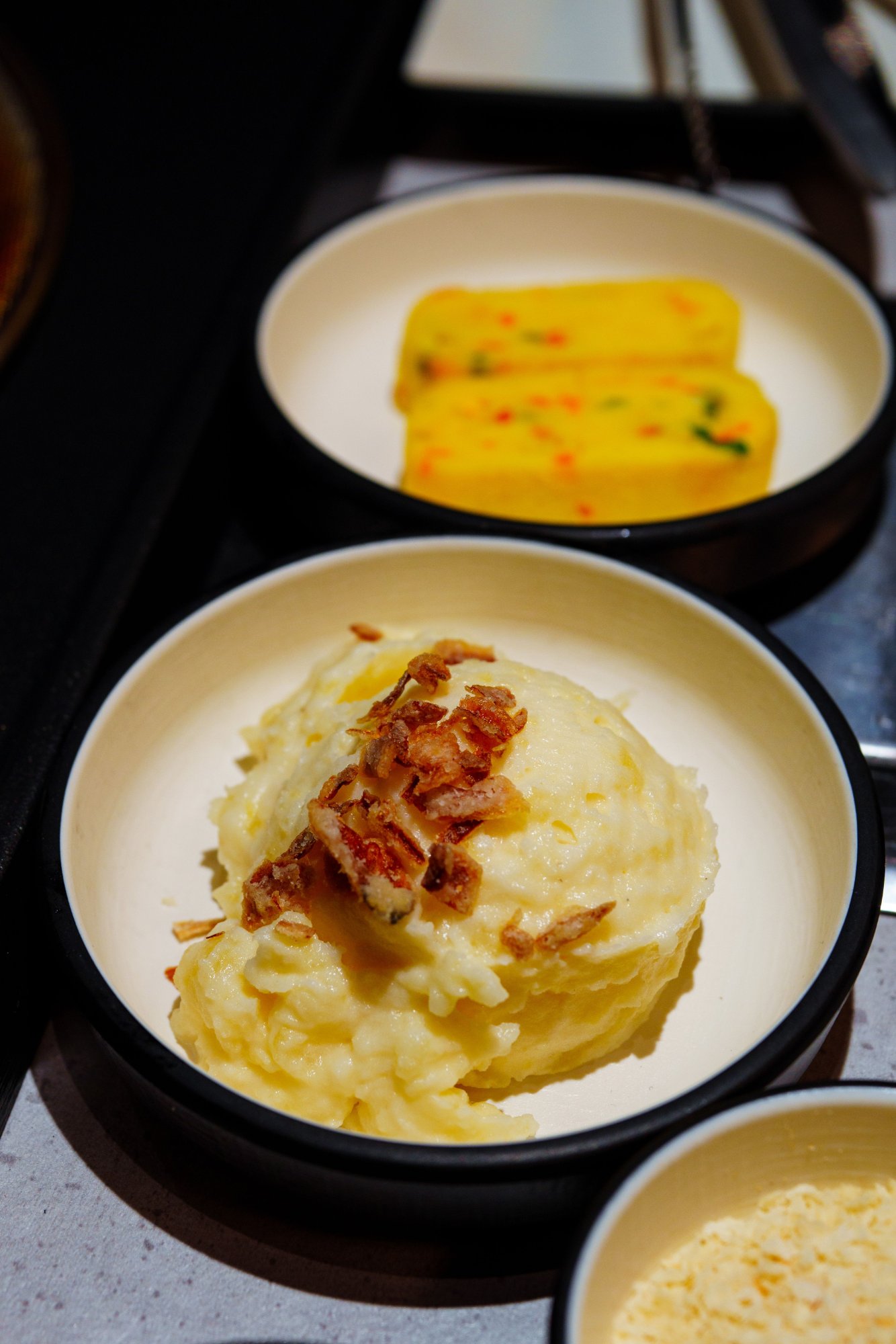
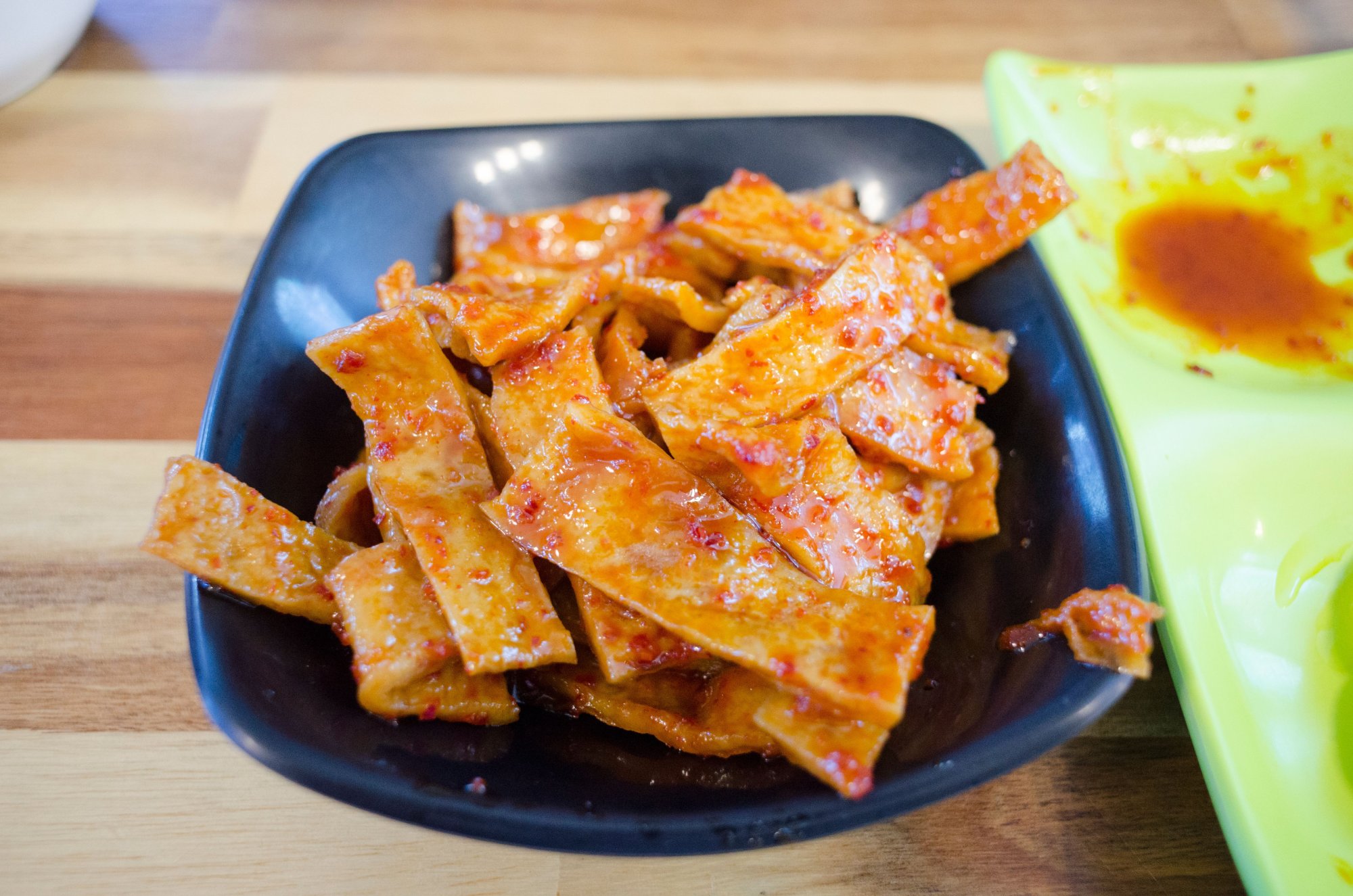
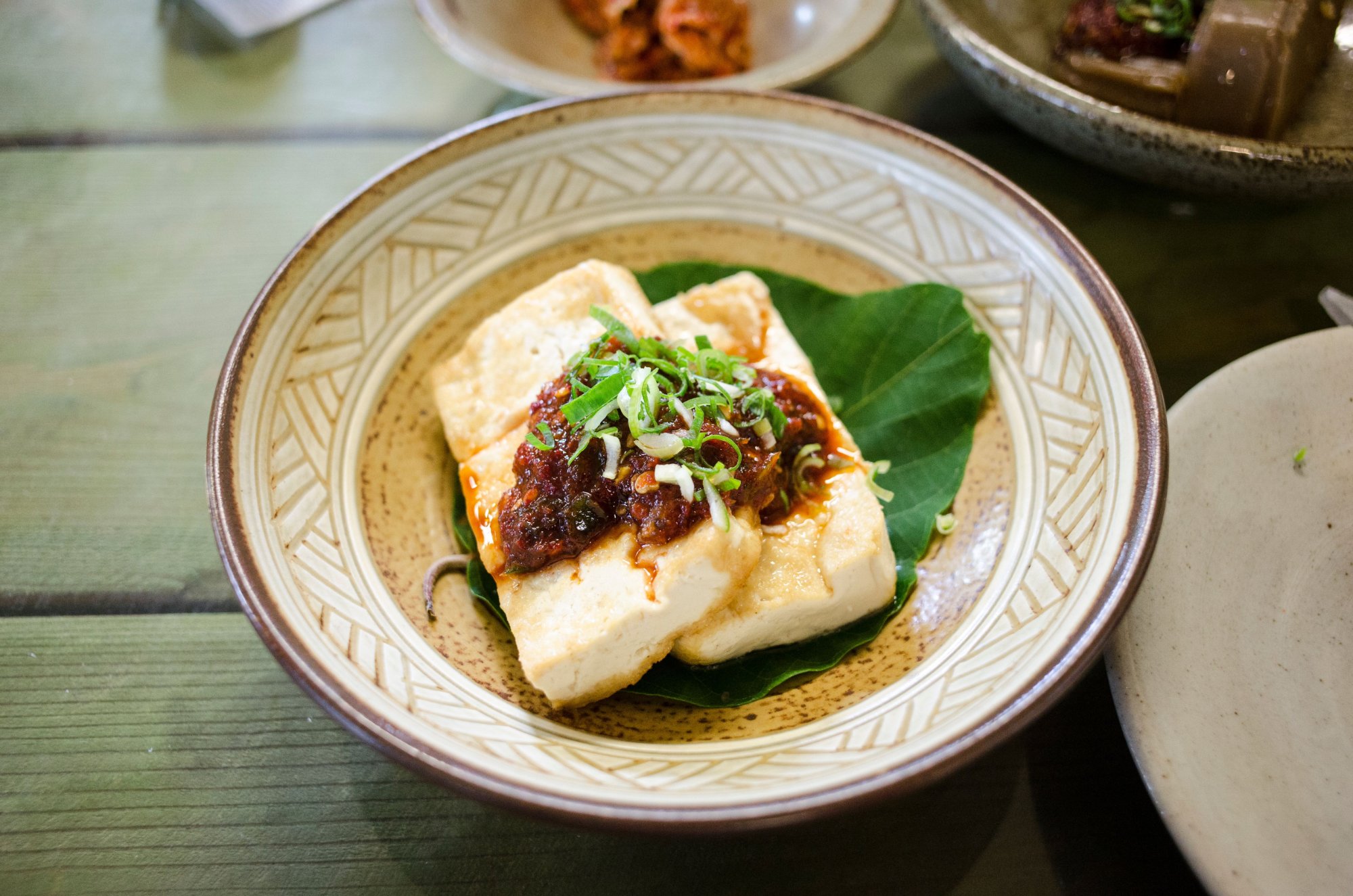
← 좌우로 밀어 보세요
Whenever you encounter a mysterious side dish you don't recognize, we highly encourage you to take a leap and taste it. Embracing the unknown and bravely trying brand-new banchan is truly one of the greatest joys of any food journey! Every single time you step into a new restaurant, you can expect a totally unique combination. Let us decode the most common ones so you can understand exactly what you are eating and enjoy them confidently, just like we do!
Demystifying the Everyday Staples
Let us start with the standard side dishes that we eat almost every single day.
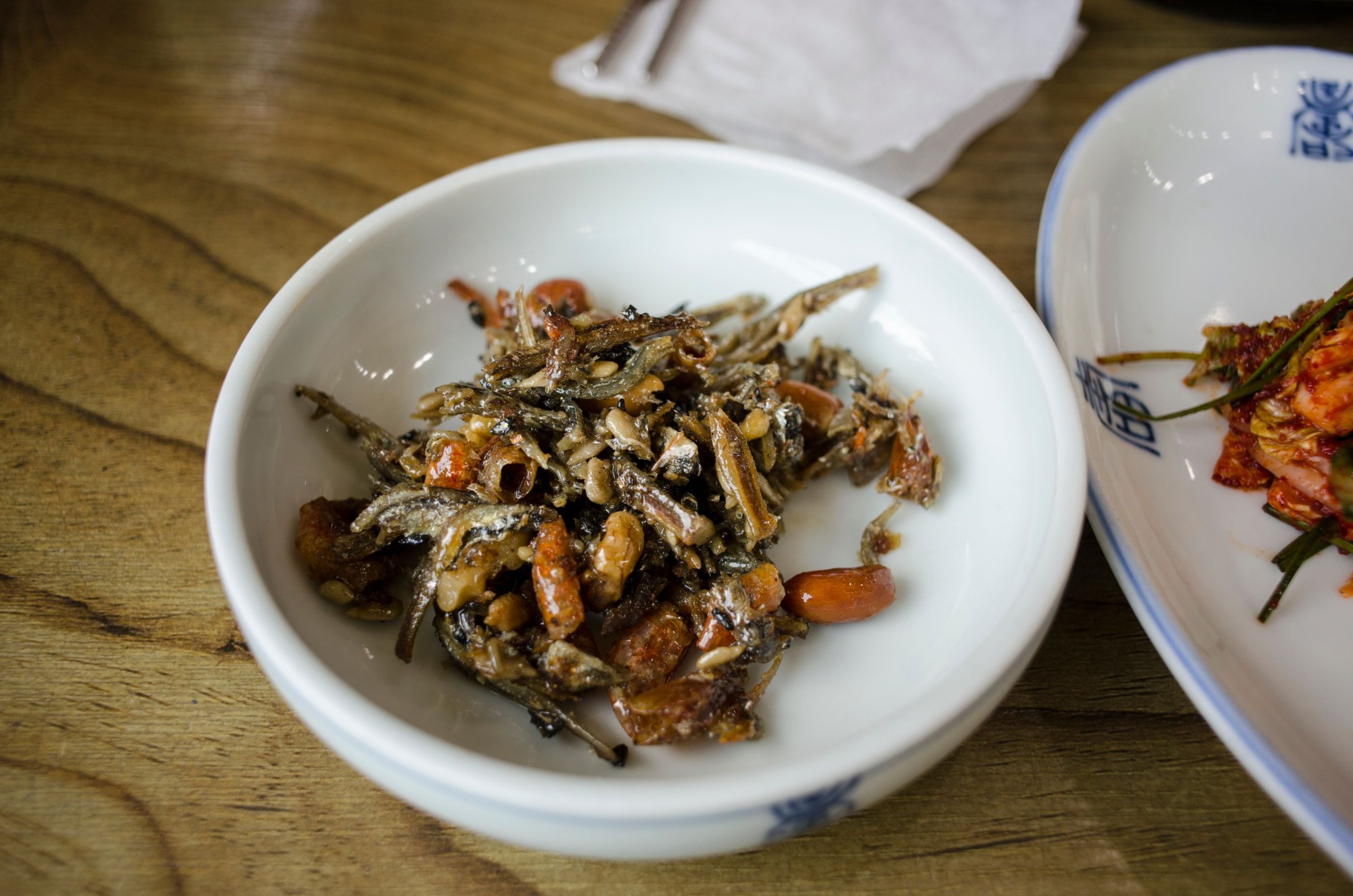
Myulchi-bokkeum (Stir-fried Anchovies): Imagine tiny, silver fish, literally the size of small matchsticks! Yes, they still have their tiny heads and eyes attached, but please do not let that intimidate you! We pan-fry them until they are completely dehydrated and crispy. Then, we coat them in a sticky, sweet syrup and soy sauce glaze. The flavor is sweet and savory—almost like eating glazed popcorn!
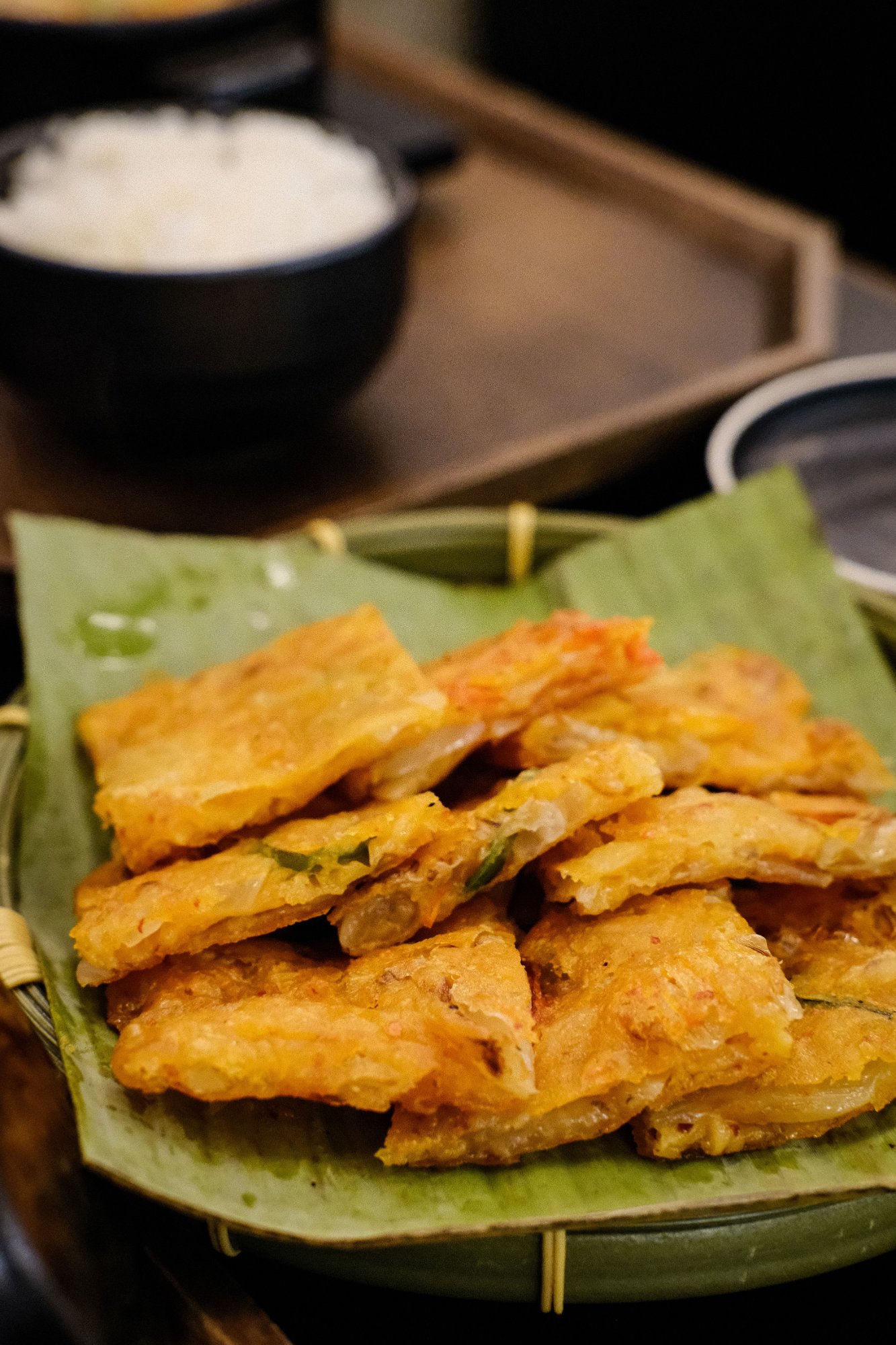
Jeon (Savory Korean Pancakes): If you hear "pancake," forget about sweet syrup! Jeon is a savory, pan-fried fritter. We take chives, zucchini, or minced meat, coat them in a very thin flour-and-egg batter, and fry them. The result is a savory disc with crispy, golden-brown edges. You simply tear off a piece with chopsticks and dip it into a tangy soy sauce.
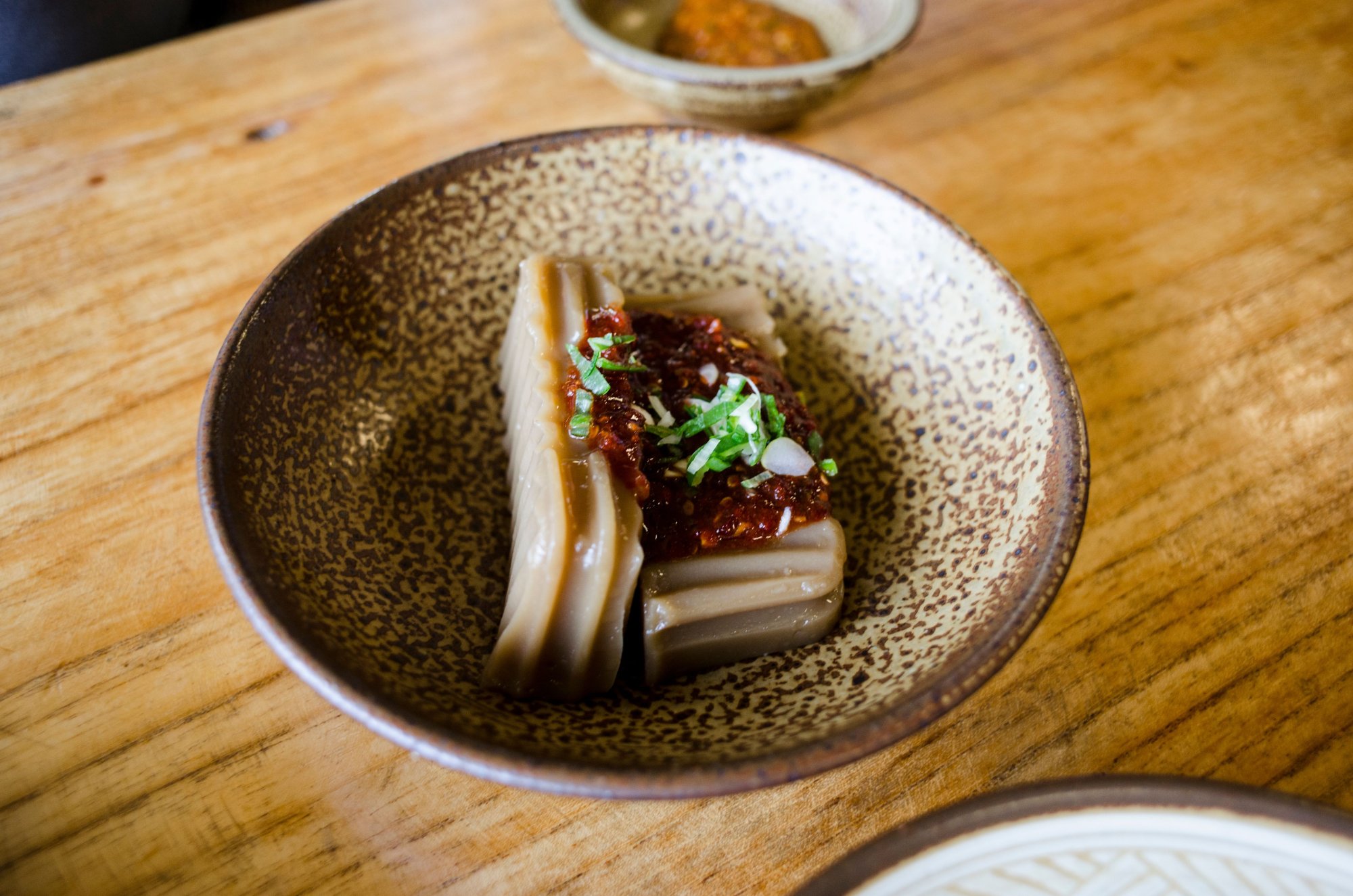
Dotori-muk (Acorn Jelly): It looks exactly like a firm block of brown Jell-O, but it is a savory jelly made from acorn starch. On its own, it has a mild, slightly nutty flavor. The texture is bouncy and smooth. We always serve it topped with a salty, spicy soy sauce dressing. It is incredibly refreshing!
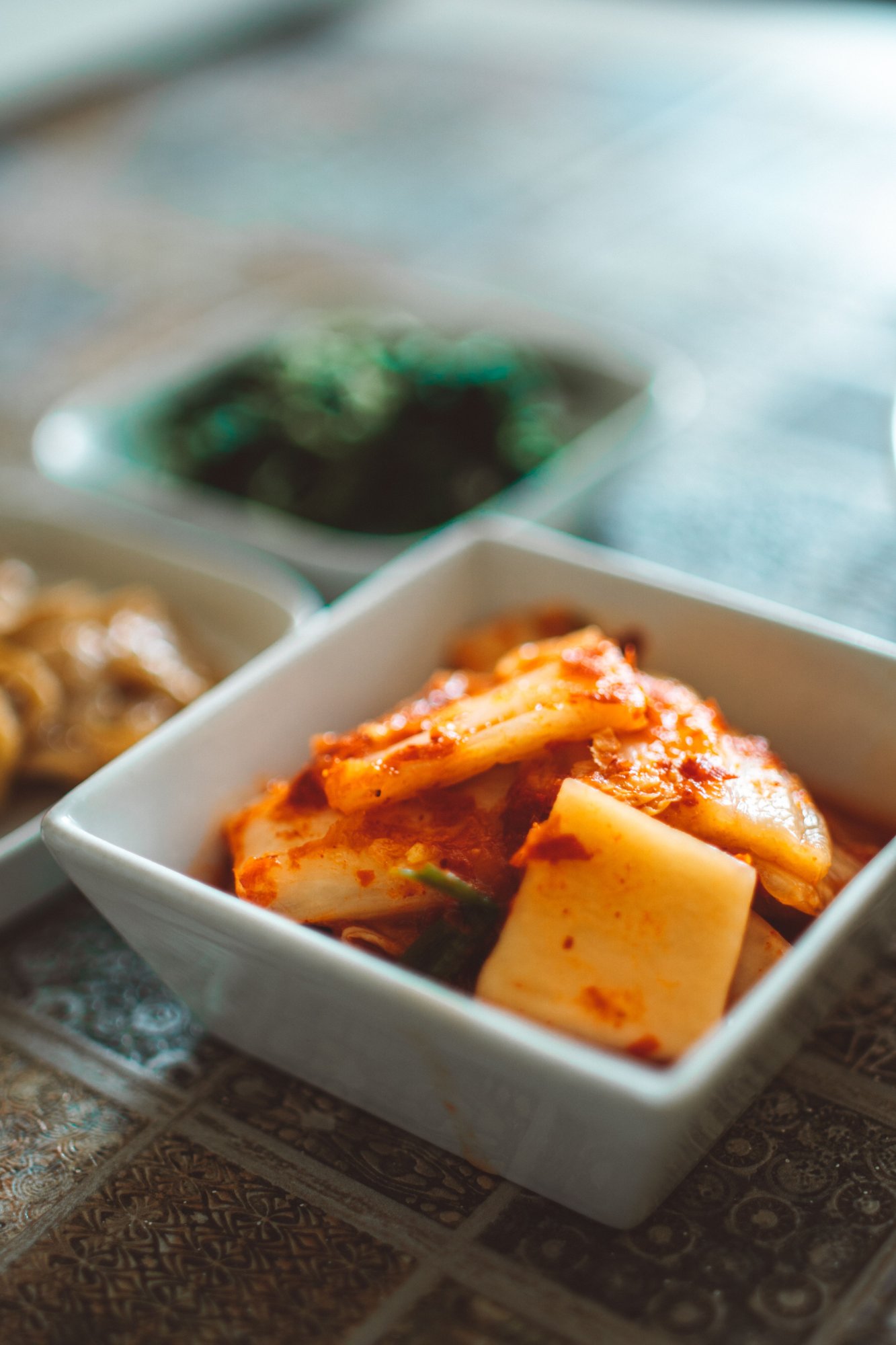
Kimchi and Kkakdugi: You probably know Kimchi (spicy fermented cabbage), but you will also frequently see bright red, bite-sized cubes. That is Kkakdugi (radish kimchi). It has a satisfying crunch and tangier juice than regular Kimchi. We think it is the absolute best pairing for any hot soup!
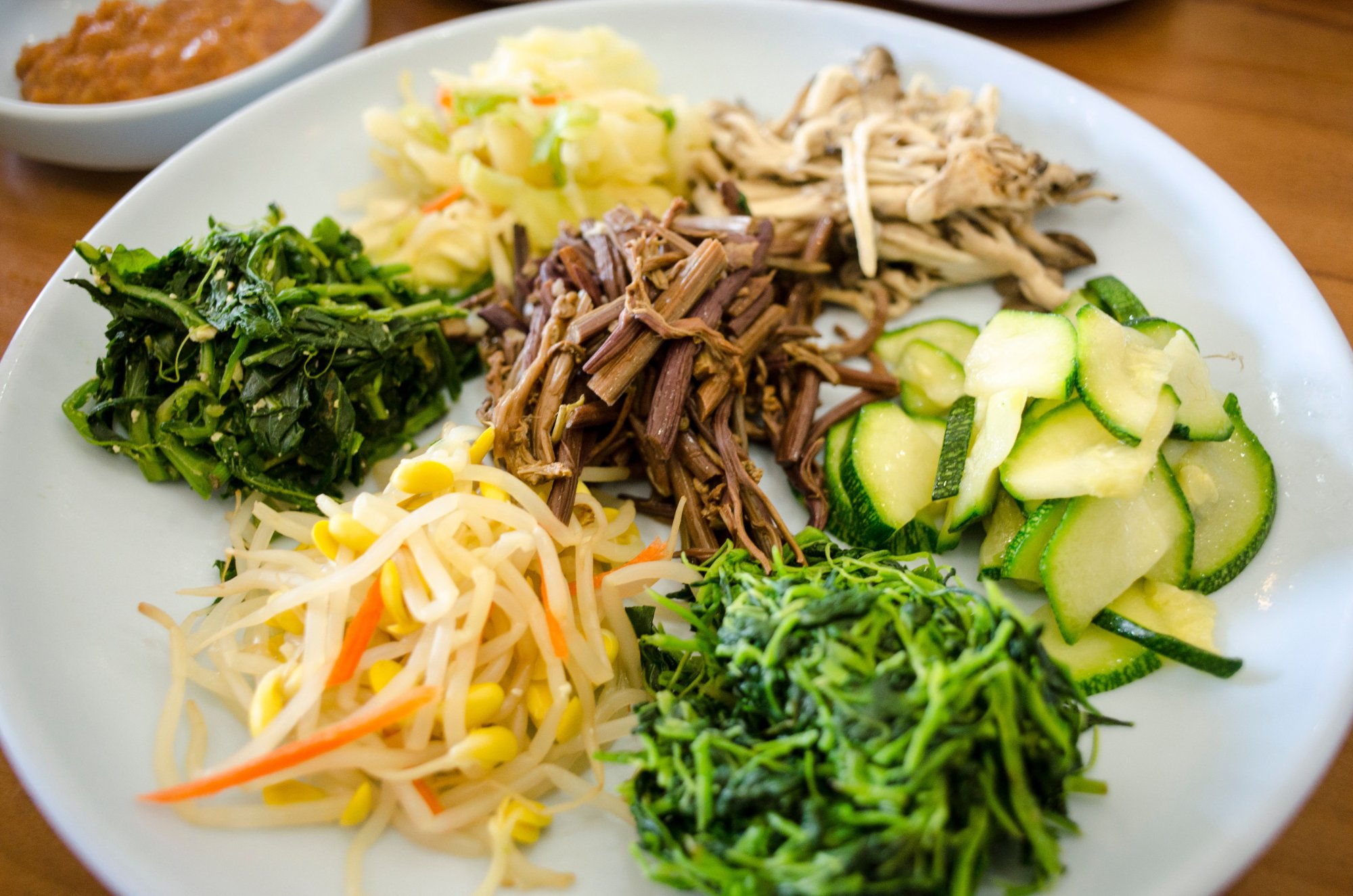
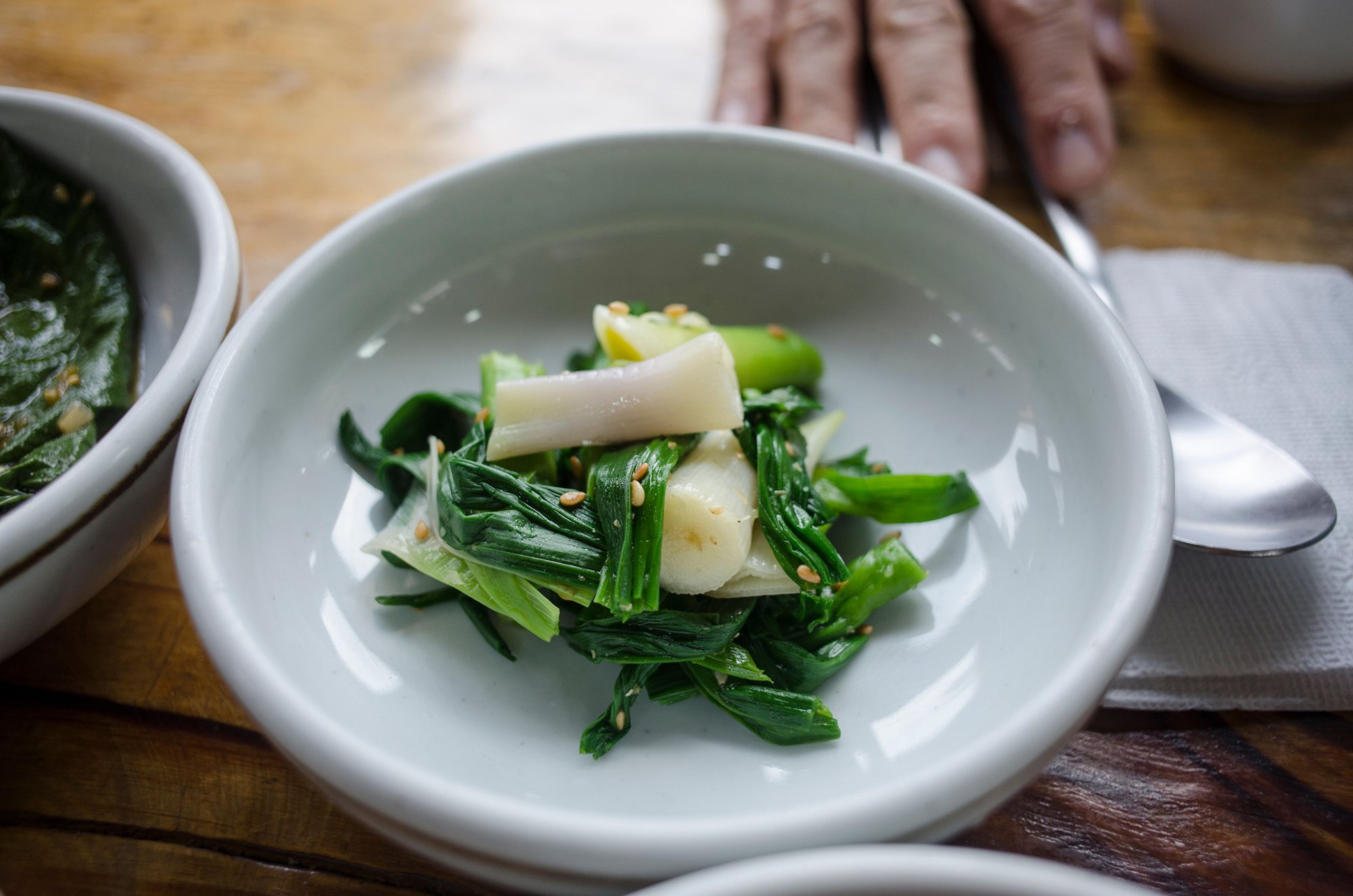
Namul (Seasoned Vegetables): You will see small plates of vegetables like Sigeumchi-namul (blanched spinach). These are not raw salads! We quickly blanch them so they are soft, then massage them with sesame oil, minced garlic, and roasted sesame seeds for a deeply nutty flavor.
Demystifying the Premium Treats
Sometimes, we go to slightly nicer places, and the banchan gets a serious upgrade!
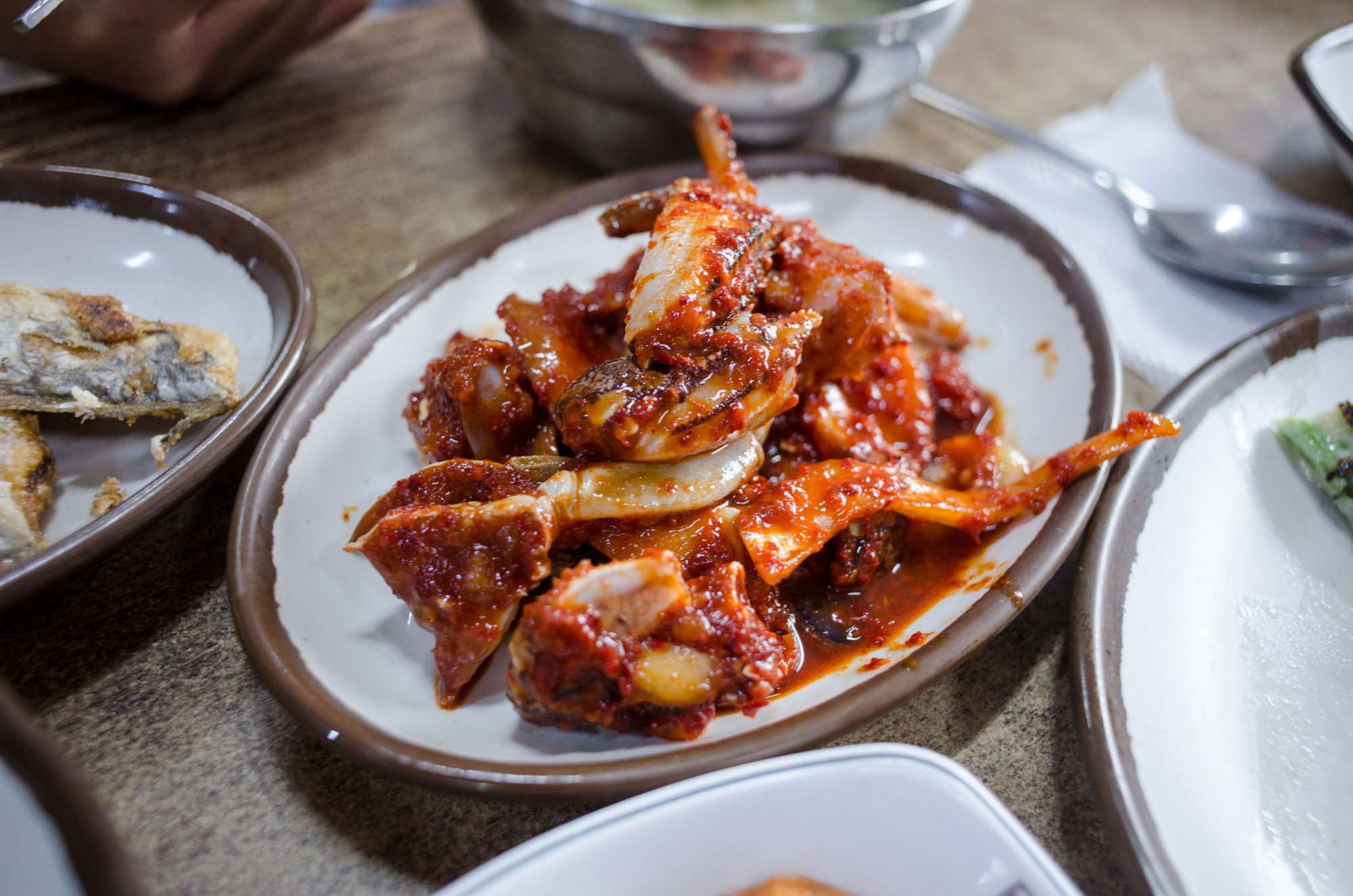
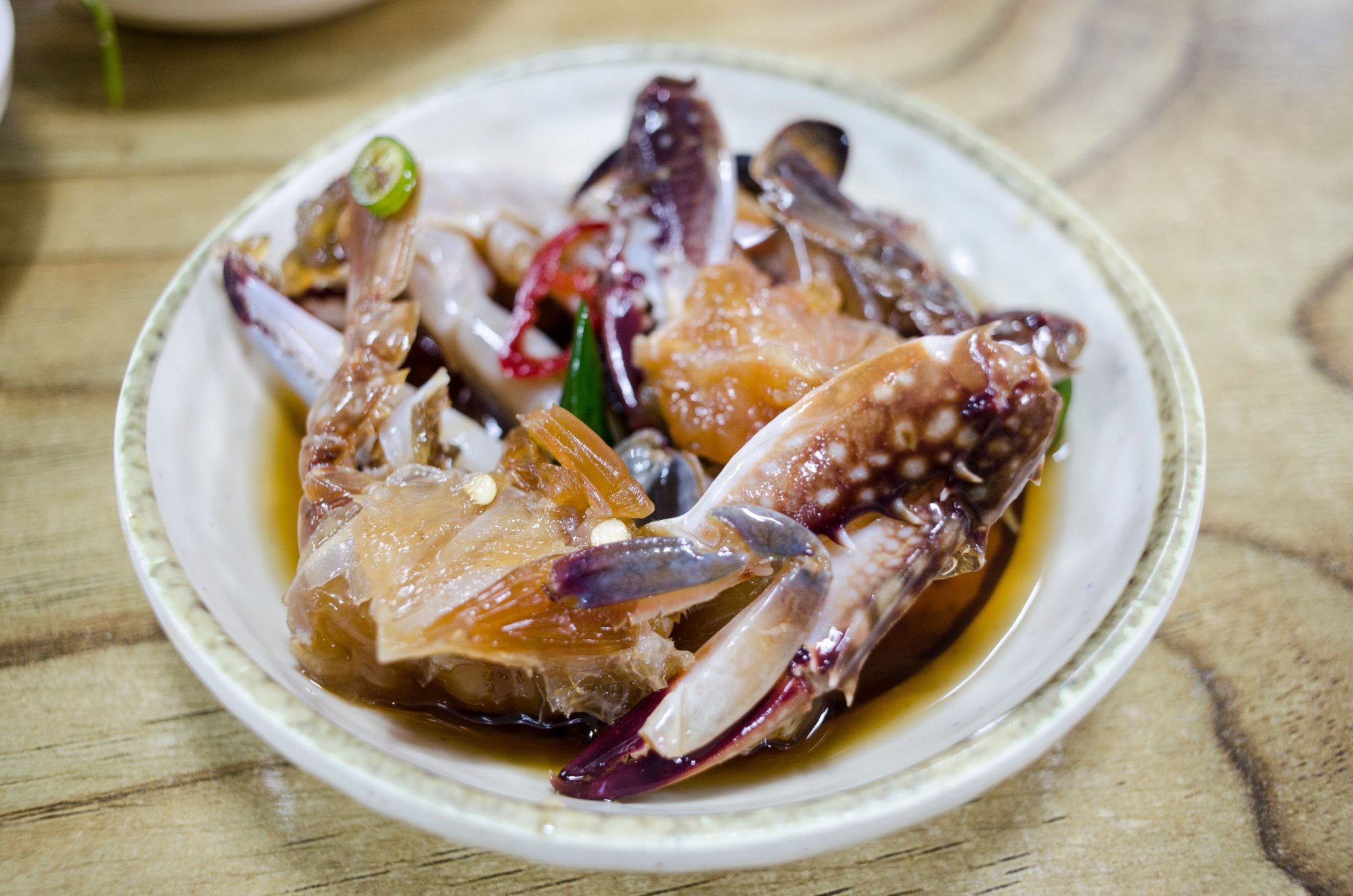
Gejang (Marinated Raw Crab): This might be the most intimidating, yet most delicious dish we have! It is 100% raw crab soaked for days in a chilled soy sauce broth. The salt "cures" the meat. You grab a crab piece and squeeze the soft shell with your fingers. The raw meat slides out tasting incredibly sweet, buttery, and rich. We call it the "Rice Thief" because mixing this savory crab with warm rice is dangerously delicious!
← 좌우로 밀어 보세요
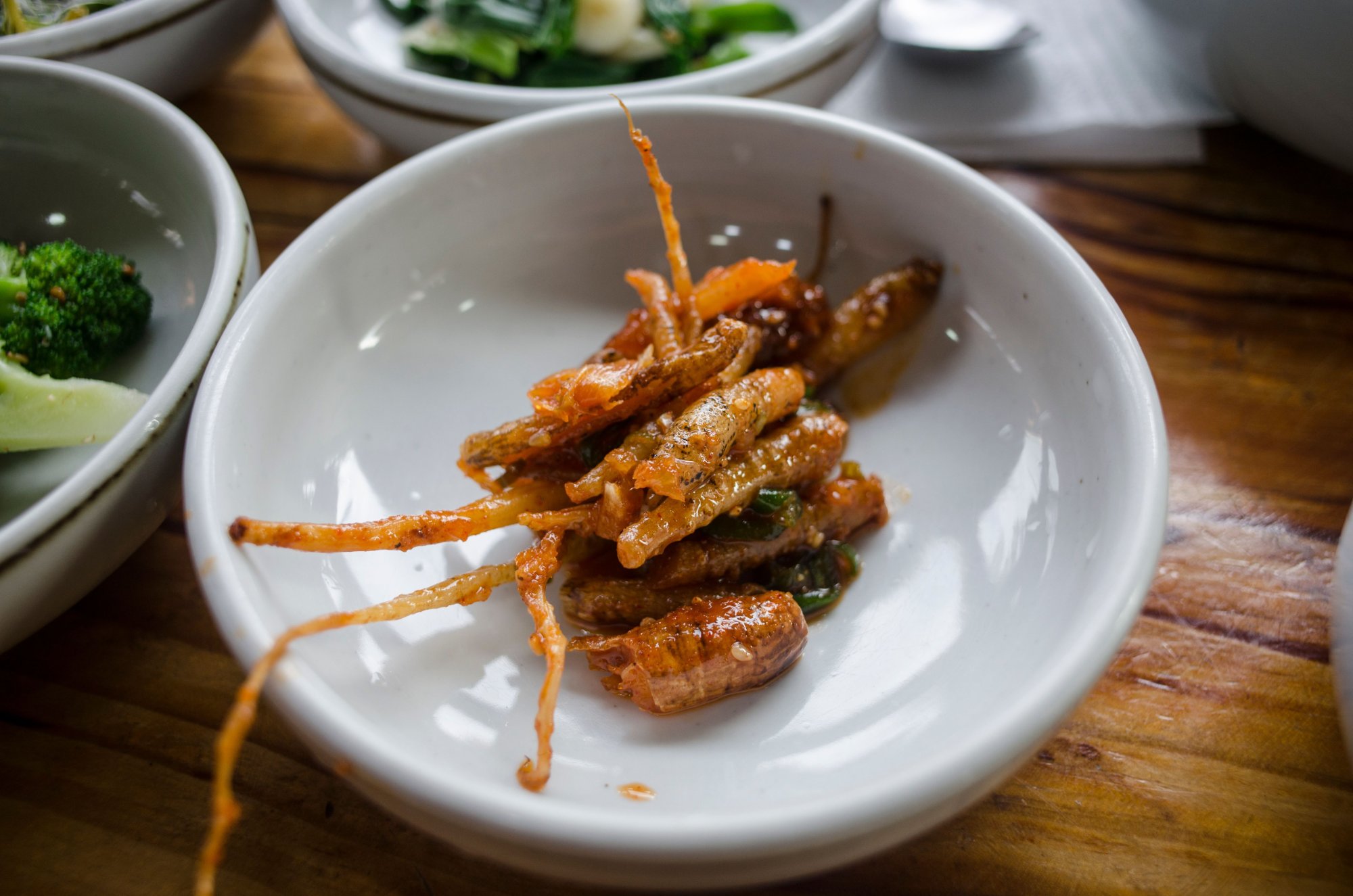
Doraji-muchim (Bellflower Root): You might think this bright red dish is shredded squid, but it is actually a healthy mountain root! It has a firm, crunchy texture with a unique herbal kick. We toss it in a sweet, sour, and spicy chili paste sauce.
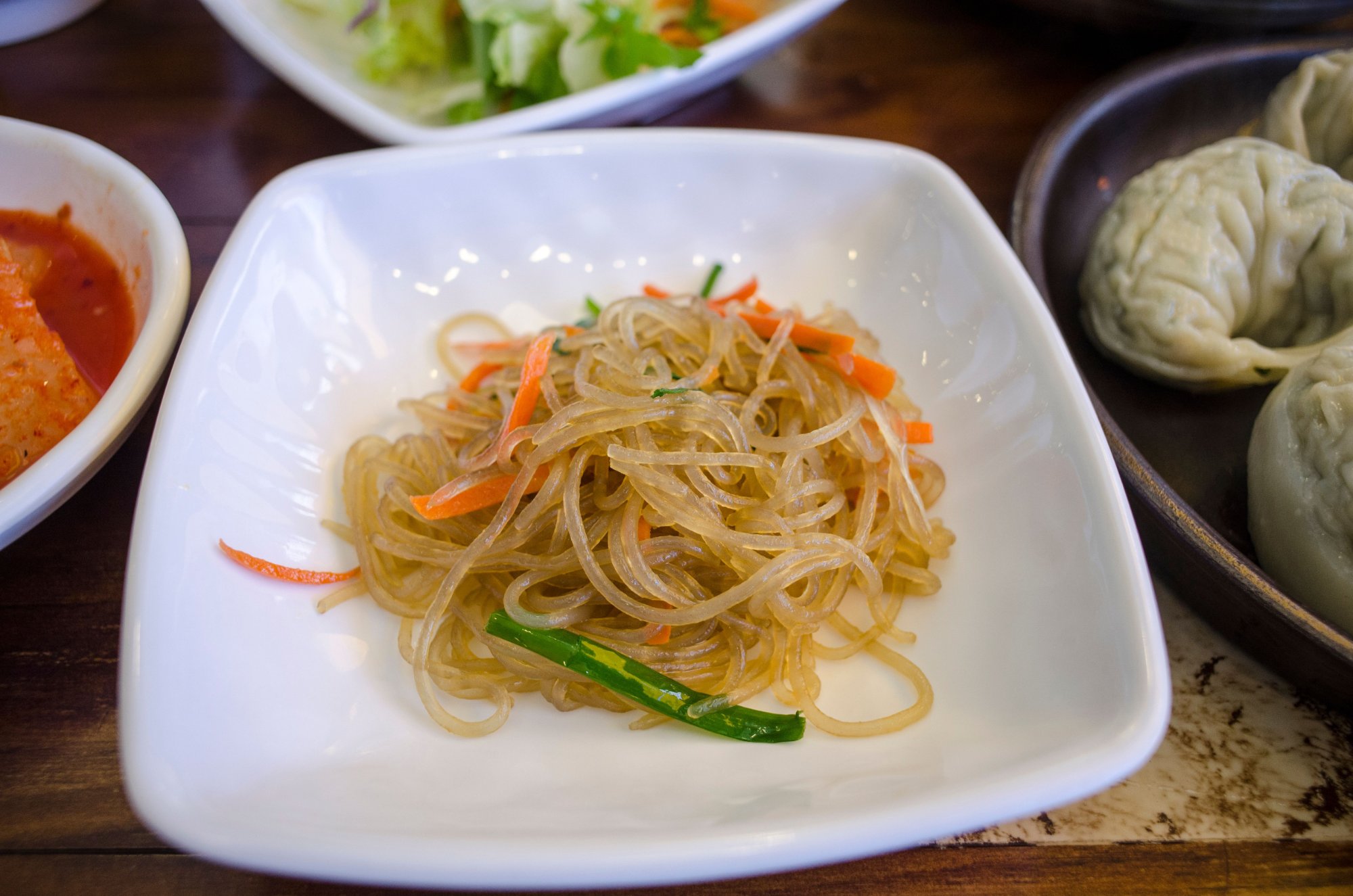
Japchae (Stir-fried Glass Noodles): These are clear, slightly sweet, and slippery noodles made from sweet potato starch. We stir-fry them with soy sauce, sesame oil, and vegetables. You will adore its bouncy texture!
How Banchan Reveals the Restaurant's Level
Here is a fun local secret: we can instantly tell the style and tier of a restaurant just by looking at the banchan spread!
The Local Soup Shop (Gukbap-jib): At everyday soup spots, we usually just get intense, perfectly fermented Kimchi, Kkakdugi, and raw onions. The hot soup is the star!
The Standard BBQ Restaurant: Here, your banchan expands to about five to eight plates, including the crispy anchovies and savory pancakes. The goal is to provide you with refreshing flavors to cut through the heavy grease.
The Hanjeongsik (Traditional Table d'hôte): This is the highest tier! Your table will be entirely covered with 15 to 20 different plates, featuring premium items like Gejang, Japchae, beautifully pan-fried Jeon, and delicate seafood. It is a royal feast!
Where to Experience the Best Banchan
To experience a spectacular Hanjeongsik feast with an overwhelming variety of premium banchan, we highly recommend visiting Hangaram in Seoul. Check it out on Google Maps here: https://www.google.com/maps/search/Hangaram+Seoul
If you want to try the legendary Gejang as a premium banchan, Jinmi Sikdang is an absolute must-visit. It is beloved by us locals! Find it here: https://www.google.com/maps/search/Jinmi+Sikdang+Seoul
Remember, in Korea, banchan is always included in the price of your meal, and refills are completely free! So, dive in, and always dare to taste that new, unfamiliar dish.
Please share this with friends who are planning a trip.
#Banchan #KoreanFood #SideDishes #KoreanCulture #EatLikeALocal #KFood #Kimchi #Gejang #SeoulEats #TravelKorea #Foodie #FoodTravel #SeoulTrip #AsianCuisine #KoreanDining #Hanjeongsik #Namul #KFoodie #Delicious #FoodJourney