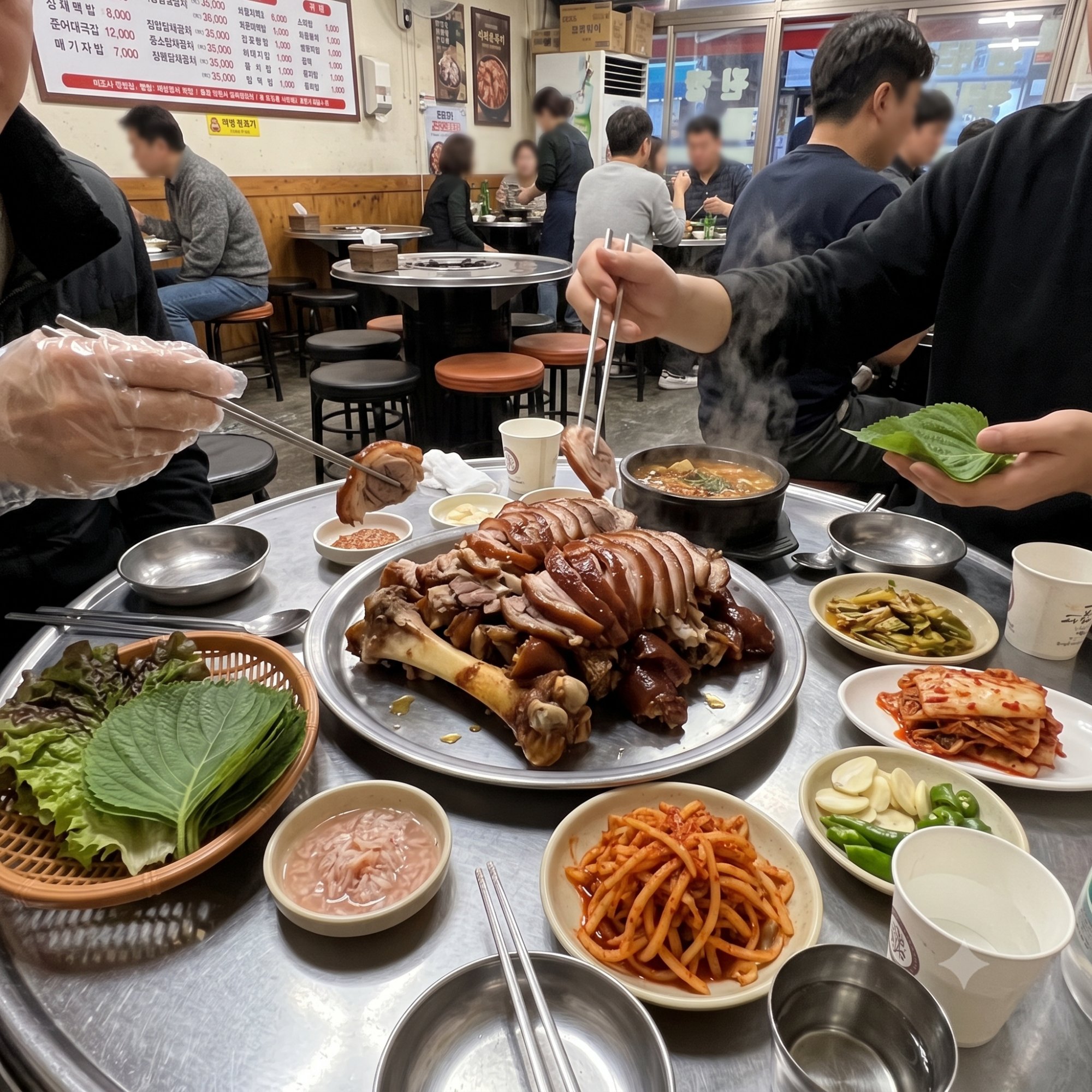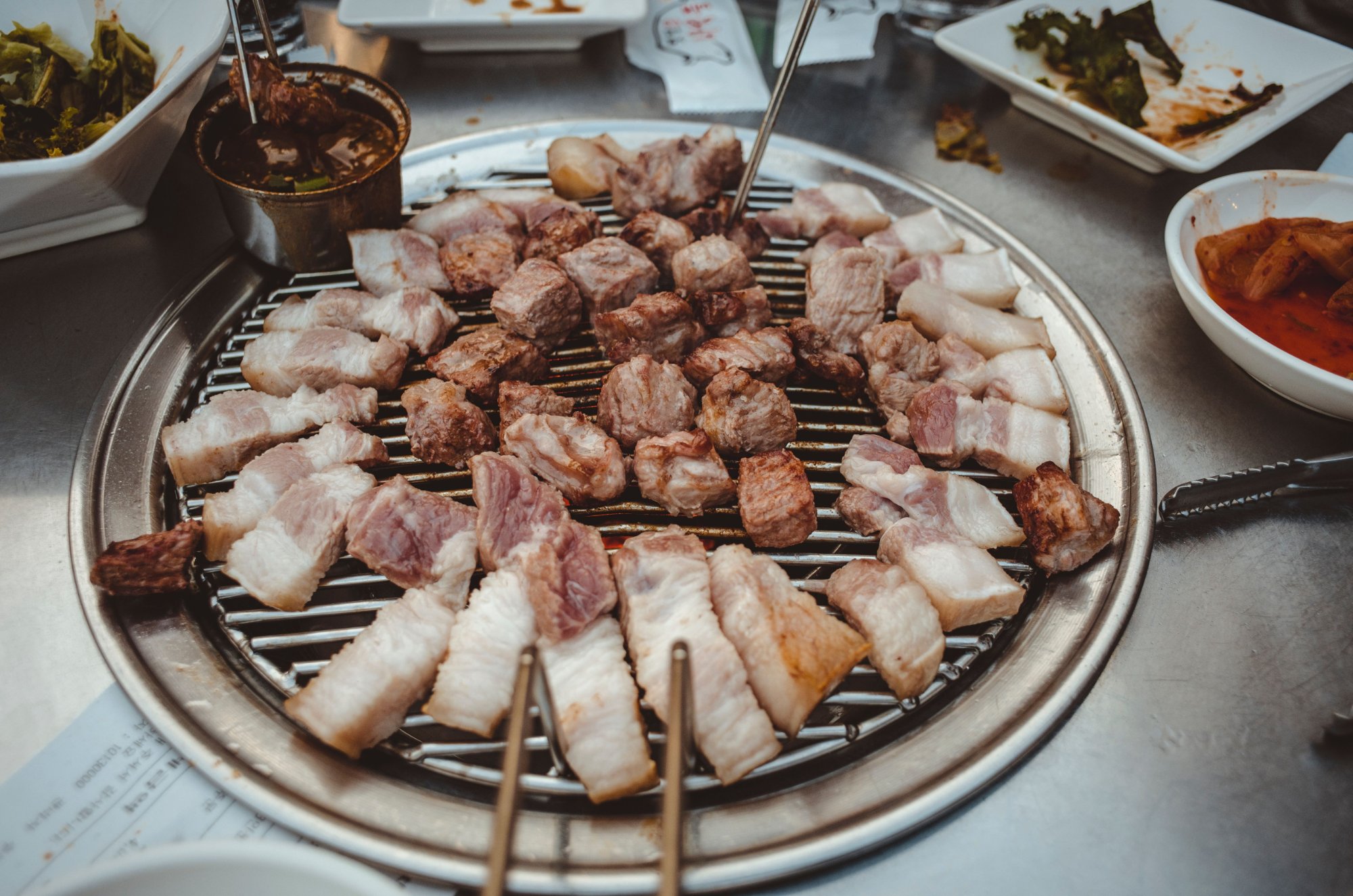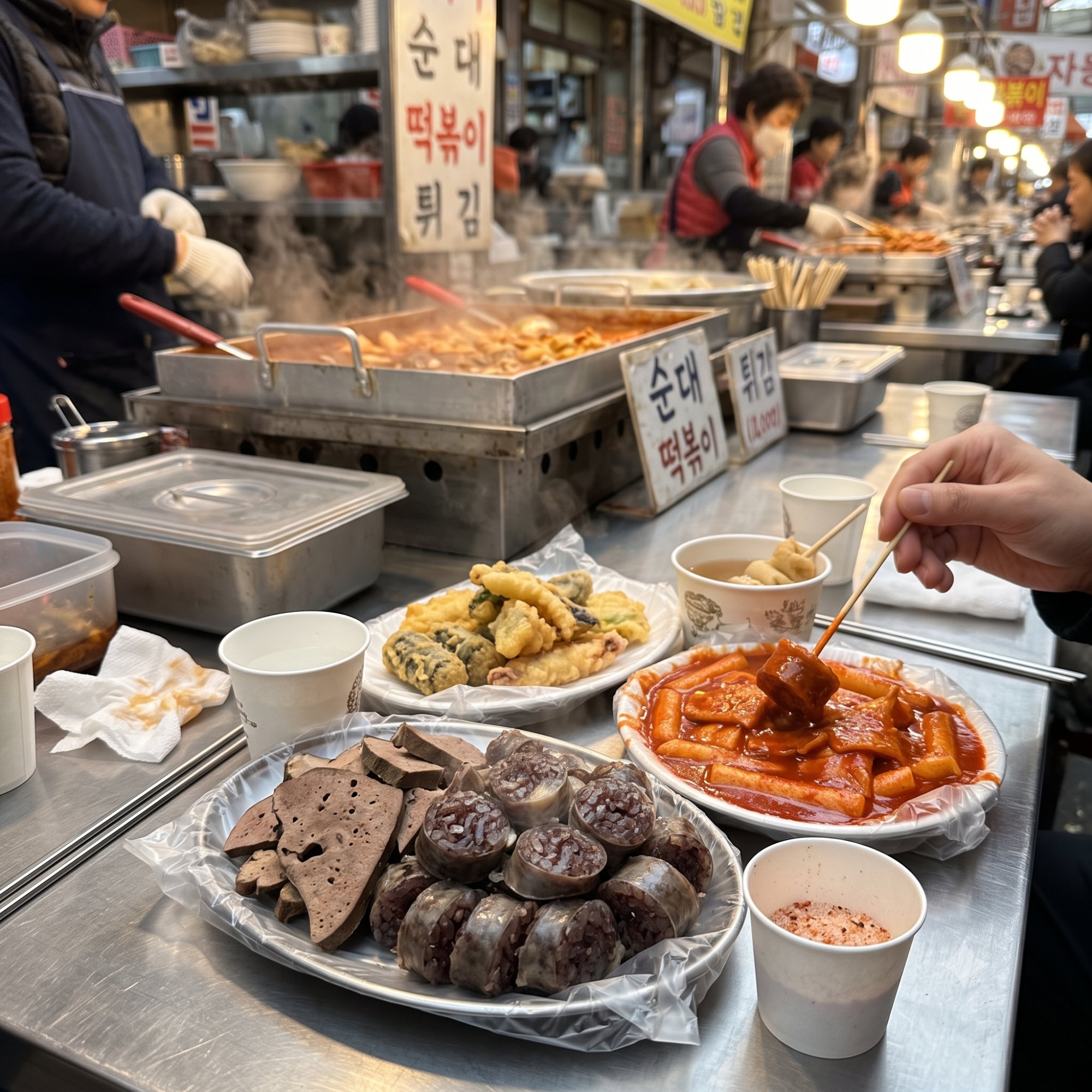
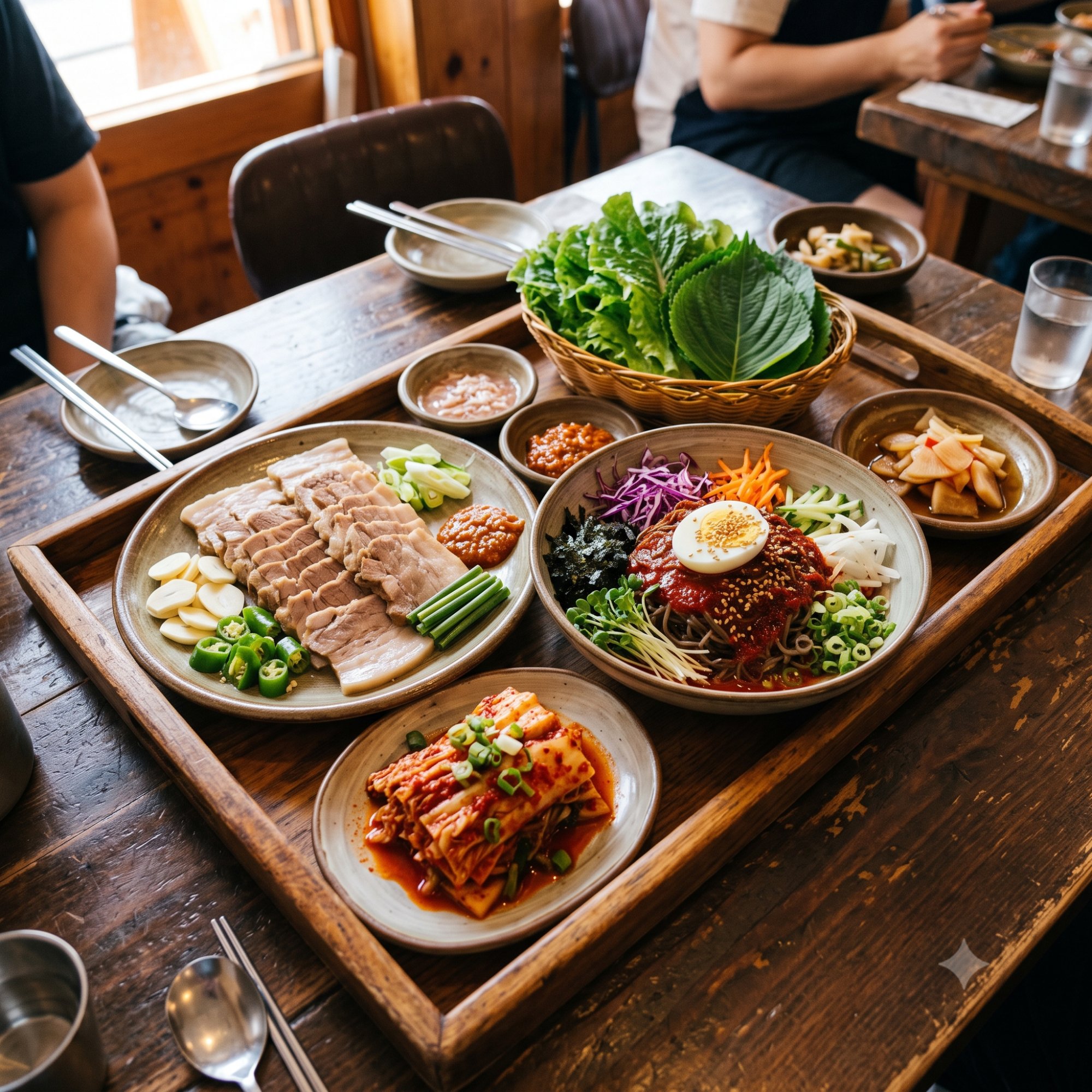
Hello friends! Whenever we explore the vibrant food culture of Korea, there is one ultimate meat and noodle combination that we absolutely cannot miss: Bossam and Makguksu. Today, I am so excited to introduce you to this incredible harmony of flavors, just like a local showing off their hometown favorites. Let us dive deep into the mouth-watering world of boiled pork wraps and spicy buckwheat noodles, and discover the best ways to enjoy them together!
What is Bossam? Bossam is a traditional Korean dish consisting of pork belly or pork shoulder that is slowly boiled in a flavorful broth containing ginger, garlic, green onions, soybean paste, and sometimes coffee to remove any unwanted odors. The result is incredibly tender, melt-in-your-mouth pork slices that are remarkably less greasy than roasted meats like Samgyeopsal. But the meat alone is only half the story! Bossam is always served with an array of spectacular banchan (side dishes). The most important side dish is the Bossam Kimchi. Unlike the fermented, sour kimchi you might be used to, Bossam Kimchi is freshly made, crispy, and slightly sweeter, providing the perfect crunchy contrast to the soft pork. You will also get a selection of fresh leafy greens like lettuce and perilla leaves, raw garlic, sliced green chili peppers, ssamjang (a thick, savory soybean paste), and saeujeot (fermented salted shrimp), which is known to greatly aid in digesting the pork.
A Brief Cultural Background: The Kimjang Tradition To truly appreciate Bossam, it is helpful to understand its cultural roots. Historically, Bossam is deeply tied to "Kimjang," which is the traditional Korean process of preparing and preserving large quantities of Kimchi for the long, harsh winter. Families and neighbors would gather for days to wash, salt, and season hundreds of cabbages. Because this was such exhausting physical labor, the hosts would reward everyone by boiling a large batch of fresh pork to eat alongside the newly made, fresh, and crisp Kimchi. This beautiful tradition of community, hard work, and sharing a hearty, warm meal is the very foundation of Bossam. So, when we eat this dish today, we are partaking in a warm piece of Korean heritage.
What is Makguksu (or Jaengban-guksu)? While Bossam is fantastic on its own, we almost never eat it without its perfect partner: Makguksu or Jaengban-guksu. Jaengban means "large tray" and guksu means "noodles." This dish features chewy, earthy buckwheat noodles served on a massive platter, surrounded by a rainbow of thinly sliced fresh vegetables like cabbage, carrots, cucumbers, and perilla leaves. It is topped with a generous ladle of a sweet, tangy, and spicy gochujang-based sauce. Usually, the restaurant gives you a clear plastic glove, and the fun part is mixing the noodles and vegetables together by hand right at your table! The refreshing, icy, and spicy kick of these noodles perfectly cuts through the rich, savory taste of the pork.
How to Eat Bossam & Makguksu Like a Pro Now, let me share the local secrets on how to truly enjoy this meal, focusing heavily on our unique eating methods and tips.
Tip 1: The Classic Ssam (Wrap) Rule The core of eating Bossam is making a "Ssam," which literally means "wrap." First, place a fresh piece of lettuce on your palm and lay a perilla leaf over it for a fragrant aroma. Add a slice of tender pork. Dip a piece of raw garlic or chili into the ssamjang and place it on the meat. Top it off with a generous pinch of the sweet and crunchy Bossam Kimchi and a tiny dab of saeujeot. Now, here is the most important rule you must strictly follow: when wrapping and eating Ssam, you never bite it in half or share it; instead, you must make it small enough to pop the entire wrap into your mouth in one single, delicious bite. Eating it in one big bite ensures that all the complex flavors and textures mix perfectly in your mouth at the same time.
Tip 2: The Ultimate Noodle Meat Wrap If you want to eat like a true local, try combining the two main dishes. Instead of wrapping the pork in lettuce, grab a hearty slice of the boiled pork and wrap it directly around a forkful of the spicy, tangy Makguksu. The cold, spicy noodles combined with the warm, savory pork create a temperature and flavor contrast that is absolutely mind-blowing.
Tip 3: The Drink Pairing To elevate your meal, order a chilled bottle of Makgeolli (traditional Korean rice wine) or Soju. The milky, slightly fizzy sweetness of Makgeolli washes down the spicy noodles and rich pork flawlessly, making our dining experience feel like a lively local festival.
Where to Try It If you want to experience an authentic and bustling atmosphere, we highly recommend visiting the Jongno Bossam Alley in Seoul, specifically a beloved local spot called Samhaejip. Here, you can feel the real, energetic vibe of Korean dining. Check out the location on Google Maps here: https://goo.gl/maps/1q8yF3p6Hk9Z2w7e9
There is nothing quite like sharing a massive platter of Bossam and spicy Makguksu with good company. The combination of making your own perfect little bite-sized wraps, mixing the giant tray of noodles, and enjoying the vibrant atmosphere is what Korean food culture is all about.
Please share this with friends who are planning a trip.
#Bossam #Makguksu #KoreanFood #SeoulFood #LocalEats #Foodie #KoreanNoodles #Ssam #KFood #PorkBelly #Jongno #SeoulTrip #FoodGuide #SpicyNoodles #Kimchi #Banchan #KoreanBBQ #TravelKorea #AuthenticFood #Delicious